Estonian farmers face real-term EU funding cuts in next budget period
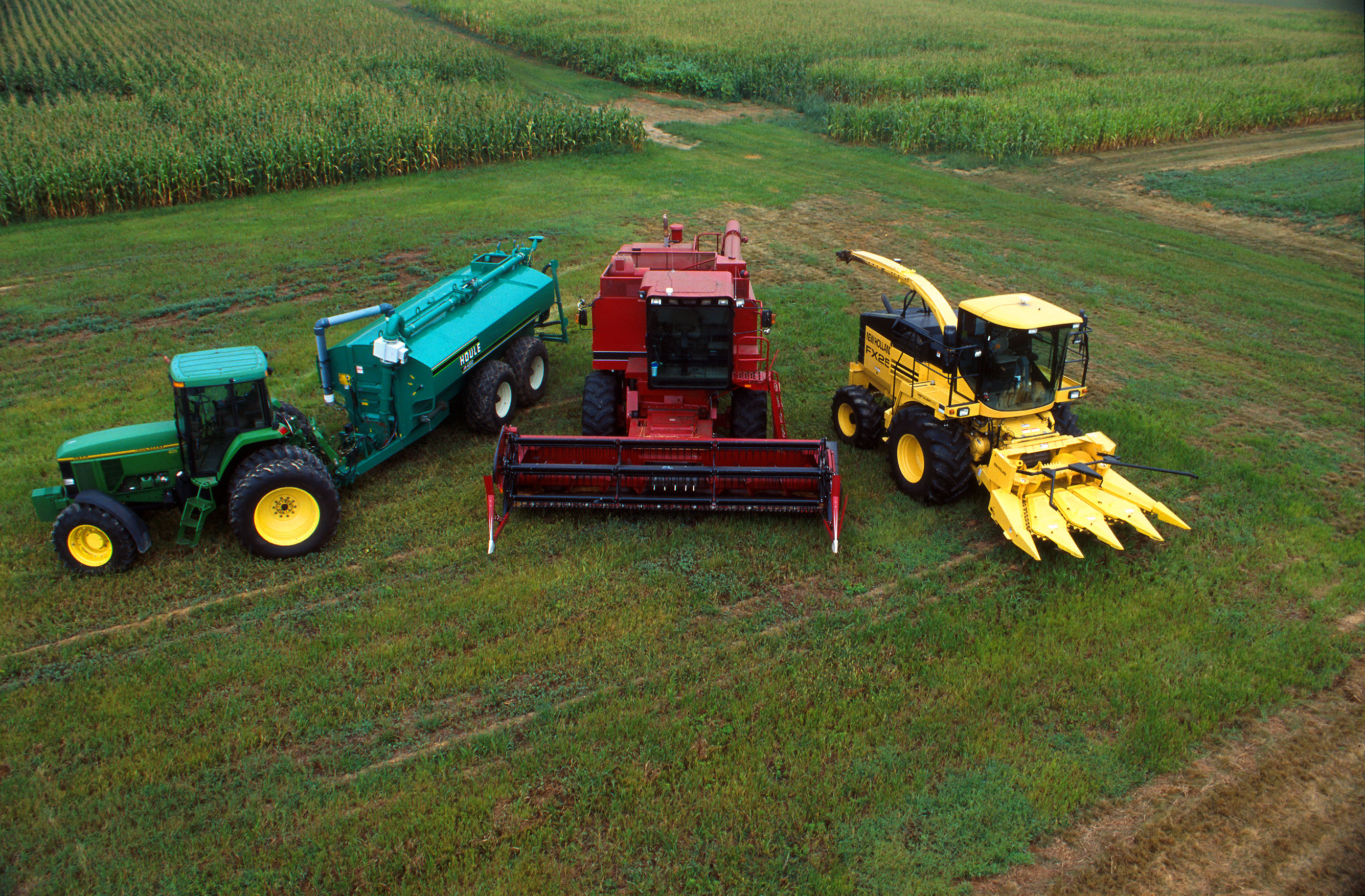
Negotiations over Estonia's allocation of EU structural funds for the post-2028 budget period are underway, with ministries told to significantly scale back their funding requests. While farmers could nominally receive slightly more money than in the current period, inflation means the real purchasing power of that support will fall considerably.
EstoniaEstonia is in the midst of intense inter-ministerial negotiations over how EU funds should be allocated across different sectors when the next EU budget period begins in 2028. Although no final decisions have been made, the trajectory already points to a real-terms decline in support for agricultural producers.
Requests far exceed available funds
Ministries submitted initial funding requests to the Finance Ministry, but the combined total came to more than twice the available sum. All ministries have now been instructed to revise their proposals downward and resubmit by 19 June 2026.
The Ministry of Regional Development and Agriculture had originally requested €1.2 billion for farmers from the shared EU funds pool. According to the ministry's Vice Chancellor Madis Pärtel, that figure is now expected to be cut by €200-400 million. Pärtel told ERR that this will inevitably require compromises.
«From the perspective of support measure volumes, there is certainly room to play with co-financing rates, since investments are made with state money support. In food production, the state provides part and the private sector contributes part, it is almost never a 100% state subsidy. The question may be whether the private sector pays 30%, 40%, or 50% of total investment. By increasing those percentages, some savings are possible,» Pärtel explained.
€1.6 billion guaranteed, but the rest is uncertain
Regardless of internal Estonian negotiations, the European Commission has already earmarked €1.6 billion specifically for Estonian farmers, a sum that is effectively guaranteed. The open question is how much additional co-funding Estonia will top up from its own share of EU structural funds.
For comparison, Estonian agricultural producers received €2.3 billion in EU funding during the current budget period. If the government approves the ministry's scaled-back request, total funding for the next period would land somewhere between €2.4 billion and €2.6 billion, a nominal increase of roughly 5-10%.
However, that comparison is made against a baseline set approximately seven years ago, when the current EU budget was negotiated. Adjusted for inflation over that period, the real value of the new funding envelope will be considerably lower than what farmers receive today.
Political reaction: a warning from Riigikogu
Ants-Hannes Viira, head of agricultural policy at the Estonian Chamber of Agriculture and Commerce, urged caution before drawing firm conclusions, noting that it would be wise to wait for concrete decisions before declaring that farmers will definitively receive less in real terms.
«The reality is that these future budgetary resources will need very careful consideration, which policy directions to spend them on so that agriculture becomes stronger rather than weaker,» Viira said.
Anti Allas (or verify the correct spelling and link), a Social Democrat member of the Riigikogu's Rural Affairs Committee, raised a broader concern about the geographic distribution of EU funds in Estonia. He pointed out that compared to other EU member states, a disproportionately small share of funds flows outside major urban centres.
«In other European countries, rural regions receive between two and nine times more funds per capita. Elsewhere, this is used to support precisely the more challenging regions, so that money goes into rural life and small towns rather than widening already-growing inequality,» Allas said.
Arvo Aller, a fellow Rural Affairs Committee member representing EKRE, struck a more pessimistic tone: «I get the sense that everyone has simply been tasked with cutting, rather than actually looking into whether it is possible and how exactly it should be done.»
Open in app →