Estonian fashion brand Furque faces design originality accusations: authentic design or luxury knockoffs?
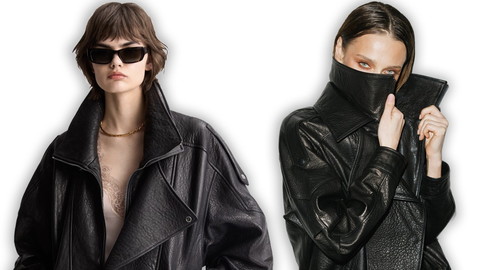
Estonian fashion brand Furque has come under criticism over claims that some of the company's products may be too closely inspired by designs from well-known luxury brands. Both the brand's marketing claims and the boundary between fashion inspiration and copying are being questioned.
CultureEstonian fashion brand Furque is facing serious accusations concerning the originality of its products. Critics argue that some Furque items bear too much resemblance to the creations of well-known luxury fashion houses, raising the question of where the line between legitimate inspiration and direct copying is drawn.
The brand's marketing claims and its assertion of designer-house status have also come under scrutiny. The question is whether the company presents itself to consumers in a way that could be misleading, promising original high-fashion design while actually delivering aesthetics heavily borrowed from other brands.
According to fashion experts, inspiration is a common phenomenon in the fashion world and the sharing of trends among brands is part of the industry's creative dynamics. However, there is an important distinction between inspired work and copying, particularly when commercial interests are at stake and consumers are paying for original design.
The Furque case raises a broader question in the Estonian fashion market: how to distinguish authentic local design from imported aesthetics, and what responsibilities brands have in presenting their products. Similar disputes have occurred in the fashion world at the international level, where smaller brands are often caught in the crossfire of such accusations.
So far, Furque has not publicly responded to the accusations. However, debate is underway among consumers and industry observers, and it could affect the brand's reputation in the Estonian fashion market.
Open in app →