Estonian general: Ukrainian drone strikes show no part of Russia is safe
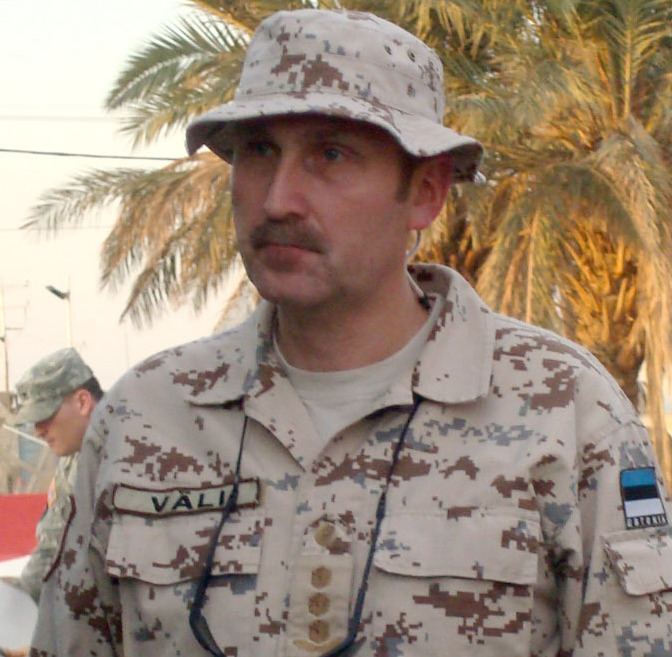
Ukraine's large-scale drone attacks on Moscow and Crimea carry significant psychological impact beyond military damage, demonstrating that no region in Russia is beyond reach. Reserve Major General Neeme Väli says Ukraine has successfully overwhelmed Russian air defences through mass swarm tactics and has seized the initiative in cutting off Crimea's supply lines.
PoliticsUkraine's recent wave of drone strikes, targeting a major Moscow oil refinery, occupied Crimea, and a site nearly 2,000 kilometres deep inside Russian territory, marks a turning point in the war's psychological dimension, according to Estonian reserve Major General Neeme Väli.
Striking the Russian heartland
«This was an important attack for several reasons,» Väli said in the "Ukraine Studio" programme. «One thing is the usual targeting of infrastructure supporting Russia's war machine, and that factory did stop operating, with quite a lot of smoke visible over the city. But equally important, perhaps even more so, was the psychological effect: Ukraine can strike targets in Russia's capital and bring the war home to those who brought the war to Ukraine.»
Väli explained that Ukraine's ability to overwhelm Russian air defences stems from three factors: the sheer mass of drones deployed, the unpredictability of target selection forcing Russia to spread its limited air defence assets thin, and the mixing of strike drones with decoys and jamming devices. Videos circulating online showed Russian missiles failing to intercept incoming drones, a sign, he said, that Ukrainian forces are successfully disrupting enemy targeting systems. A widely shared clip of a barrel lid spinning through the air was, in his assessment, the result of a Russian rocket veering off course due to jamming and hitting civilian infrastructure instead.
Crimea increasingly isolated
Väli highlighted Ukraine's strikes on Crimea as strategically significant beyond the direct damage inflicted. Since the start of the year, heavy vehicles have been banned from the Crimean Bridge. Ukrainian strikes then hit the ferry services used as an alternative. Now coastal infrastructure and Russian air defence systems, including S-400 radar installations, have been destroyed.
«Crimea is in serious trouble,» Väli said. Ukraine's use of medium-range drones to sever overland supply routes along the occupied coastline has compounded the blockade effect. If the isolation holds, he argued, it will affect the southern front: the Kherson direction has already gone quiet, and activity around Zaporizhzhia's Orikhiv axis has also slowed.
Front lines largely stable
On the ground, Väli described the situation as broadly static but tense. Russia continues to press towards Ukraine's fortified urban belt, with Druzhkivka and Kostiantynivka the focal points. Russian forces have infiltrated behind Ukrainian strongpoints in the Kostiantynivka area, but Väli does not expect Ukraine to surrender the settlement. «The initiative on the logistics and supply side has shifted to Ukraine. On the front line itself, Russia is still the more offensive side, though Ukraine continues to conduct counterattacks here and there,» he assessed.
NATO commitments and US troop reductions
Following last week's NATO defence ministers' meeting, Väli addressed concerns about a partial US troop drawdown in Europe. He cited Supreme Allied Commander Europe (SACEUR) General Christopher Grynkewich's remarks from a 19 May commanders' meeting, noting that the European-funded procurement programme supplying US-made equipment to Ukraine remains fully operational. On the broader question of American forces on the continent, Väli said the picture is mixed: NATO's collective force structure is being maintained as Europeans replace departing US units, but bilateral basing arrangements carry more uncertainty.
He also dismissed Russian threats of a massive retaliatory strike following Ukraine's drone campaigns. «Russia has always made bigger words than deeds than its actual capability,» he said, noting that despite Western sanctions, Russia has managed to gradually increase its missile expenditure and glide bomb use over the course of the war. Whether Moscow is deliberately holding back to accumulate reserves for a single large strike, he said, is difficult to determine.
Open in app →