Estonian National Dishes: 7 Foods Every Visitor Should Try
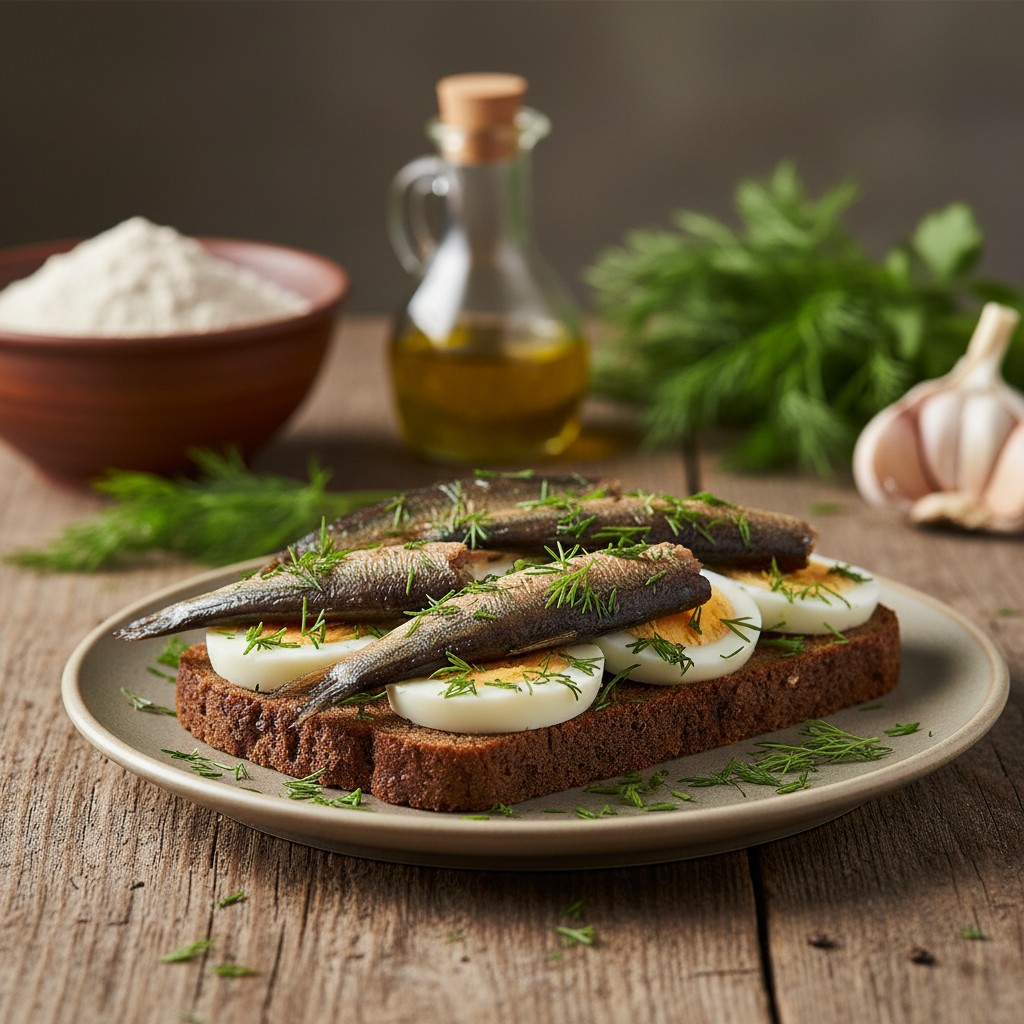
Estonian cuisine has evolved under the influence of the Nordic climate, coastal culture, and rural traditions. Simple yet flavourful national dishes reflect the daily lives of Estonians and centuries of history.
CultureEstonian food culture has developed over millennia in close connection with the local natural conditions and national traditions. The cold Nordic climate, the nearby sea, and rural customs have all contributed to what is known today as Estonian cuisine.
Simplicity as Strength
The defining characteristic of Estonian national dishes is their simplicity and authenticity. Here, there is no search for complex spice combinations or exotic ingredients; instead, fresh local produce, seasonal cooking, and rustic flavours are valued. Honouring its peasant heritage, Estonian cuisine has preserved its original character.
National dishes include, among others, blood sausage, especially beloved at Christmas, sauerkraut, potato and barley porridge, jellied meat, and various dishes made from rye bread. Fish, particularly herring, is also an integral part of the Estonian table, reflecting a deep connection with the sea.
Why Try These Dishes?
Estonian national dishes offer a unique window into understanding local culture and history. Each dish carries a story, whether from the daily life of a coastal fisherman or from a central Estonian farmer creating winter food stores. For tourists, tasting local foods is one of the best ways to get to know Estonia more closely.
Those interested in food culture will find numerous restaurants and cafés in Tallinn and other Estonian cities where traditional national dishes are proudly represented. Recipes from older generations live on both at the family table and in contemporary dining establishments, where they are often reinterpreted with fresh perspectives.
Open in app →