Estonia's Environmental Board treated approximately 62,000 cormorant eggs with oil this year
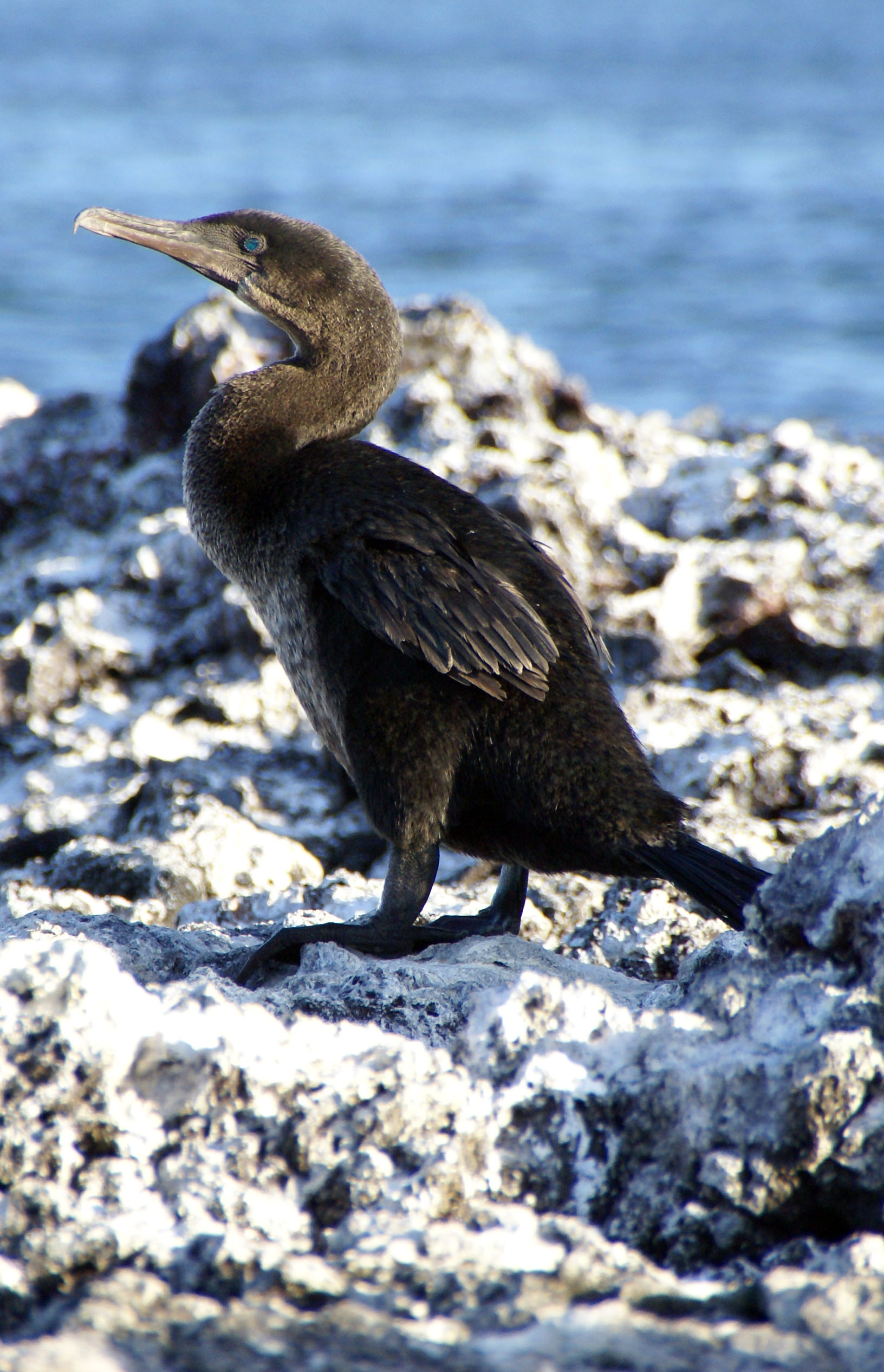
To protect fish stocks, Estonia's Environmental Board authorised the treatment of cormorant eggs with oil on 21 small islands where cormorants nest predominantly. In total, approximately 62,000 eggs in 17,430 nests were treated with oil. According to an Environmental Board specialist, the growth trend in cormorant numbers has not significantly slowed.
EstoniaIn 2026, Estonia's Environmental Board authorised the treatment of cormorant eggs with oil on 21 small islands across Estonia to protect fish stocks, where cormorants nest predominantly and where there is minimal risk of disturbing other seabirds. In total, approximately 62,000 eggs in 17,430 cormorant nests were treated with oil.
Population growth continues
Elo Raspel, an aquatic organisms specialist at the Environmental Board, noted that the growth trend in the cormorant population has not significantly slowed. "Based on expert assessment from the Estonian Marine Institute, the impact of cormorants on fish stocks is particularly notable because birds consume large quantities of juvenile fish that have not yet spawned. According to the Environmental Board's 2025 monitoring data, the cormorant population in Estonia is in good condition, with approximately 47,670 breeding pairs nesting here," said Raspel.
According to the specialist, some cormorants did begin building nests but did not start laying eggs, and some colonies moved elsewhere entirely. "What makes ensuring successful population management more difficult is when cormorants nest in trees. Our staff conducted spot checks to verify compliance with permit conditions and with the scientific methodology for oil treatment," explained Elo Raspel.
Birds deterred from Pärnu River
In addition, until 31 May, cormorants were permitted to be deterred from the Pärnu River to protect spawning fish there. Along the section between Paikuse Tindisaarte and Kurgja dams, 46 birds were shot, and roach, pike-perch, bream, pike, and tench were found in their stomachs. Over two months, hundreds of cormorants were deterred almost daily using blank shots as well as inflatable decoys and laser light.
Specialists hope that deterrence will also help improve the survival rate of salmonids released into the Pärnu River by RMK Põlula fish farm. Additionally, this spring, 20 cormorants were fitted with tracking devices to help scientists gather data on bird movement and behaviour.
Treatment carried out on 21 islands
Cormorant eggs were treated with oil on the following small islands: Lõuna-Uhtju in Lääne-Viru County; Kasispea, Keskmine lood, Väikelood, Vullikrunn and Liivakari in Harju County; Kadaklaid, Suur-Pihlakare, Väike-Pihlakare, Langekaare and Aneraahu in Hiiumaa; and Suur-Kõbaja, Kingissepa, Paljaslaid, Raugilaid, Kuralaid, Kiveslaid, Sange, Imutlaid, Eedikrava, Anilaid and Sorgu in Pärnu County.
Open in app →