Estonia's greatest composers: a guide to names every music lover should know
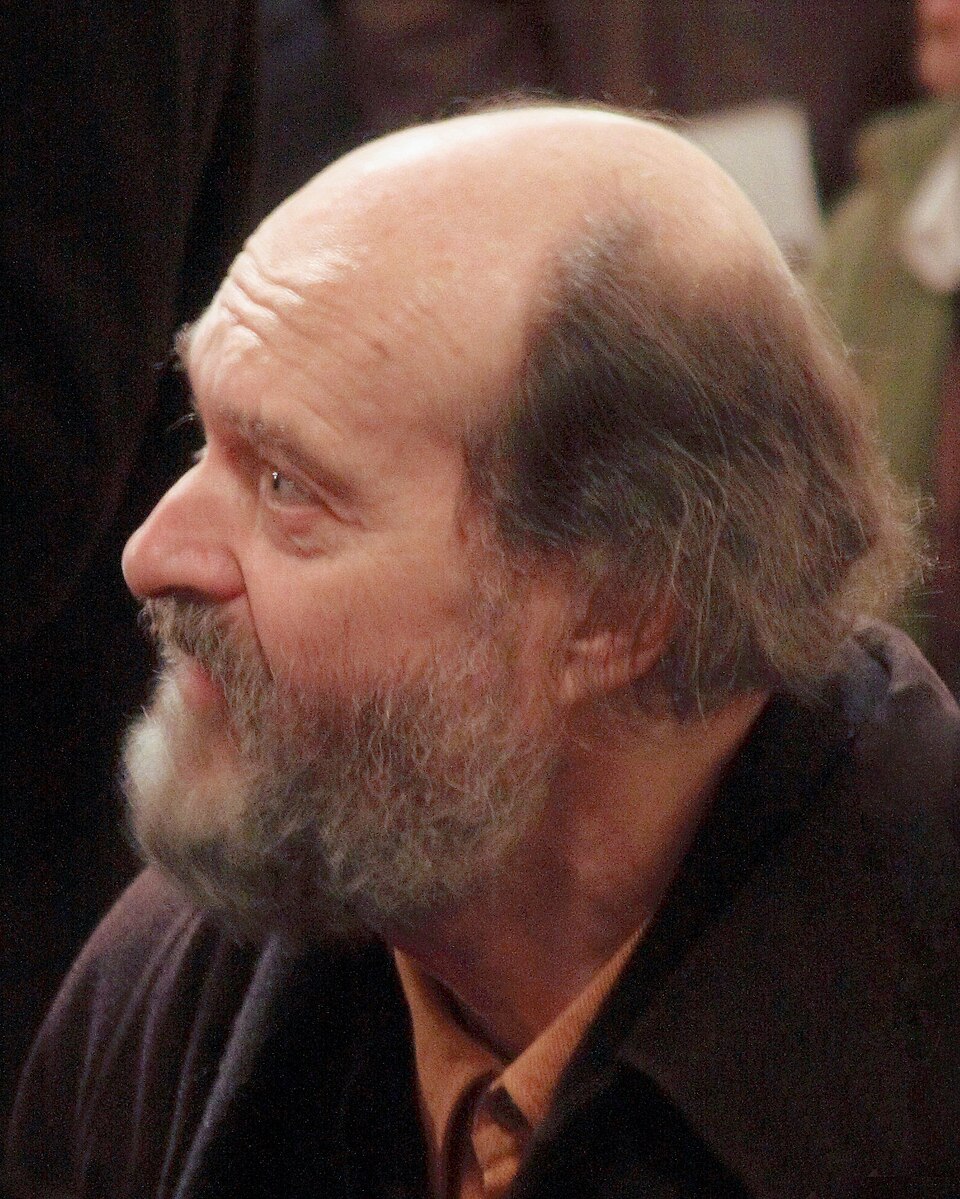
Estonia's musical heritage spans from 19th-century national awakening pioneers to globally celebrated modernists. Figures such as Arvo Pärt, Veljo Tormis, and Erkki-Sven Tüür have carried Estonian music to concert halls around the world. Understanding their work offers a window into Estonia's cultural identity, history, and relationship with nature.
CultureEstonia's contribution to world music is remarkable for a country of its size. From the deep roots of the national awakening movement in the 19th century to minimalist masters whose works are streamed by millions globally, Estonian composers have built a musical tradition that resonates far beyond the country's borders.
The founding generation
Professional Estonian composition is generally traced to the second half of the 19th century, when the cultural awakening inspired composers to create works rooted in folk melodies and the Estonian language. Three names stand out from this era: Rudolf Tobias, Artur Kapp, and Heino Eller.
Rudolf Tobias was a genuine pioneer, the first Estonian composer to tackle large-scale forms. He wrote Estonia's first symphony and its first oratorio, Joonase lähetamine (The Mission of Jonah), a monumental achievement that placed him squarely within the broader European musical tradition of the early 20th century. Tobias sought to blend the lessons of German late Romanticism with a distinctly Estonian spirit.
Heino Eller was often called the grandfather of Estonian music. His significance lies not only in his own compositions but in the Tartu school of composers he founded, which nurtured many of the great names that followed. His best-known piece, Kodumaine viis (Homeland Melody), functions almost as an unofficial second anthem for many Estonians, simple, emotionally honest, and deeply evocative of the northern landscape.
Arvo Pärt and the world stage
No discussion of Estonian composers can omit Arvo Pärt. He is widely regarded as the most performed living composer in the world. Pärt began his career experimenting with modernism and twelve-tone technique before finding, after a prolonged period of silence and study, an entirely unique musical language known as the tintinnabuli style, named for the Latin word for bells.
The hallmarks of his approach are radical simplicity, spiritual depth, and universal accessibility. Works such as Spiegel im Spiegel and Tabula Rasa have become staples of concert halls, film soundtracks, and meditation practices worldwide. His music, rooted in Orthodox Christian contemplation, speaks to listeners of all cultural and religious backgrounds.
Veljo Tormis and the choral tradition
Where Pärt mastered instrumental introspection, Veljo Tormis reigned as the undisputed king of Estonian choral music. His approach was almost anthropological: he spent years researching Finno-Ugric folk song traditions, particularly the ancient regilaul style, and wove them into contemporary choral compositions.
His major cycles, including Eesti kalendrilaulud (Estonian Calendar Songs) and Unustatud rahvad (Forgotten Peoples), are not merely music but acts of cultural preservation. Tormis believed that singing was the most natural Estonian way of making sense of the world. His works are often shamanic and elemental, seeking ritual authenticity over conventional Western beauty.
Estonia's deep choral tradition is no accident. It is rooted in the Song Festival tradition that dates back to 1869, when mass choral singing became a vehicle for national identity under tsarist rule. Composers like Tormis built upon and extended this legacy, writing technically demanding repertoire that continues to be performed by choirs across the country.
The modernists and their successors
Among the generation that followed Pärt and Tormis, Erkki-Sven Tüür stands out. A former member of rock band In Spe, Tüür developed an extensive body of symphonic work characterized by what he calls the "vector method", a compositional technique that channels multiple musical streams into powerful directional forces. His symphonies and concertos are held in the permanent repertoire of leading orchestras worldwide.
Other composers deserving recognition include Eduard Tubin, whose ten symphonies were frequently compared to Sibelius in their ambition and craftsmanship; Ester Mägi, often called the "first lady of Estonian music" for her delicate, lyrical chamber works; and Tõnu Kõrvits, a contemporary composer whose poetic harmonic language has made his choral cycles widely beloved.
A living heritage
The legacy of Estonian composers is not a museum piece. It is a living, evolving dialogue between past and present. Hearing Pärt's Für Alina or a Kõrvits choral cycle is to step into direct conversation with a composer who has encoded thought and emotion into sound.
For those wishing to explore this tradition, a natural starting point would be Eller's Kodumaine viis, Pärt's Spiegel im Spiegel, and Tormis's Raua needmine (Curse Upon Iron). Together, these three works capture the breadth and emotional range of what Estonian music has to offer. Most major works by Estonian composers are now available on streaming platforms including Spotify, Apple Music, and YouTube, and the Estonian Music Information Centre maintains a comprehensive online resource for those wishing to explore further.
Open in app →