Estonia's Most Popular Boys' Names: Robin, Markus and Rasmus Win Hearts
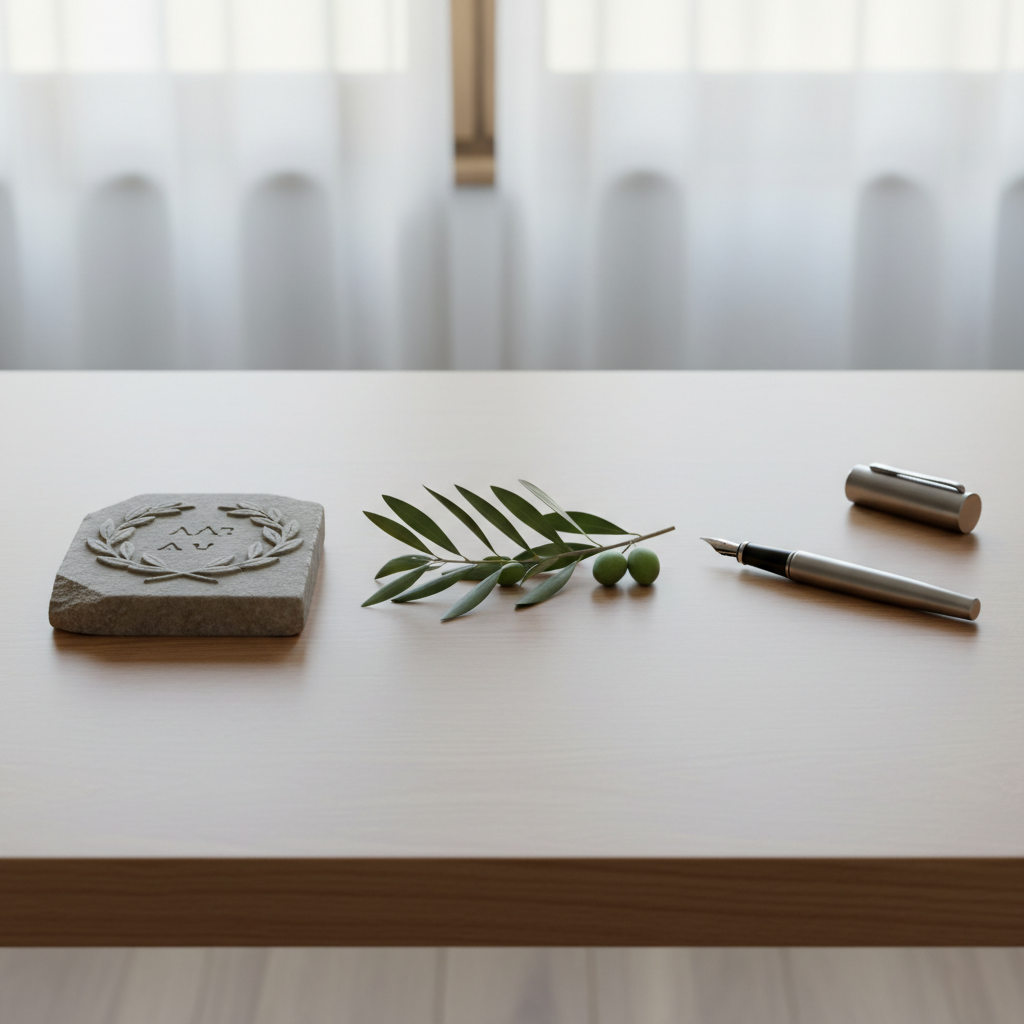
In Estonia, the choice of men's names has changed significantly over recent decades, reflecting both cultural values and global trends. Statistics from the Ministry of the Interior show that among the most frequently given names are Robin, Markus, Rasmus, Oliver and Sebastian. Alongside contemporary names, there is also a resurgence of old classical names.
CultureIn Estonia, choosing a child's name is much more than a formality; it is a decision that carries family values, cultural heritage and hopes for the child's future. The Ministry of the Interior monitors the most popular names each year, and data from the past decade reveals clear preferences and interesting trends.
History Shapes Choices
Estonian naming culture has undergone several transformations. Before the 19th century, names derived from Christian tradition dominated, names that also carried an affinity with nature. With the arrival of the National Awakening, interest grew in more Estonian names inspired by mythology and nature.
During the Soviet period, the choice narrowed due to ideological restrictions, and Russian or widely known international names were common. After Estonia regained independence in 1991, doors opened both to the revival of historical names that had been forgotten and to the arrival of new international names.
Robin, Markus and Other Leaders
In recent years, names leading the rankings have combined timelessness with contemporary sound. Robin has maintained the top of the popularity charts for years; the name of Germanic origin has been adopted as a light, internationally pronounceable and elegant choice.
Markus, whose roots stretch back to Latin and which means warrior or dedicated to Mars, offers parents the sense of a strong and timeless choice. Rasmus, of Scandinavian origin, meaning beloved, is known for its soft sound and friendly aura. Oliver, derived from the olive tree and symbolizing peace, is one of the most popular names globally and has been well received in Estonia. Sebastian has risen to the top of the rankings in recent years thanks to its historical dignified sound.
The Classics Make a Comeback
Parallel to contemporary names, there is a trend to return to one's roots. Names like Artur, Johannes, Otto and Oskar, which were common a century ago but fell out of use in the meantime, are now making a strong comeback. These names connect a child to Estonian cultural history and carry a certain dignity.
At the same time, there are parents who wish to create a completely unique name, combining different name elements or using rare nature words. The Estonian naming law regulates choices sufficiently, however, to ensure that a child receives a suitable and pronounceable name.
Name as the Basis of Identity
Psychologists have pointed out that a name can influence both how a person sees themselves and how others perceive them. Names with strong consonant sounds, such as Markus, may give an impression of determination, whereas names with a softer sound such as Rasmus or Oliver sound more gentle.
The custom of Estonian language to give an official name a diminutive form is also partly changing. Since nowadays official names are often short and simple in themselves, the need for separate nicknames has diminished. This reflects a societal preference for clarity and simplicity, a name that is used in the same form both at home and at work.
Open in app →