EU commissioners' electric cars struggle to reach Strasbourg on single charge
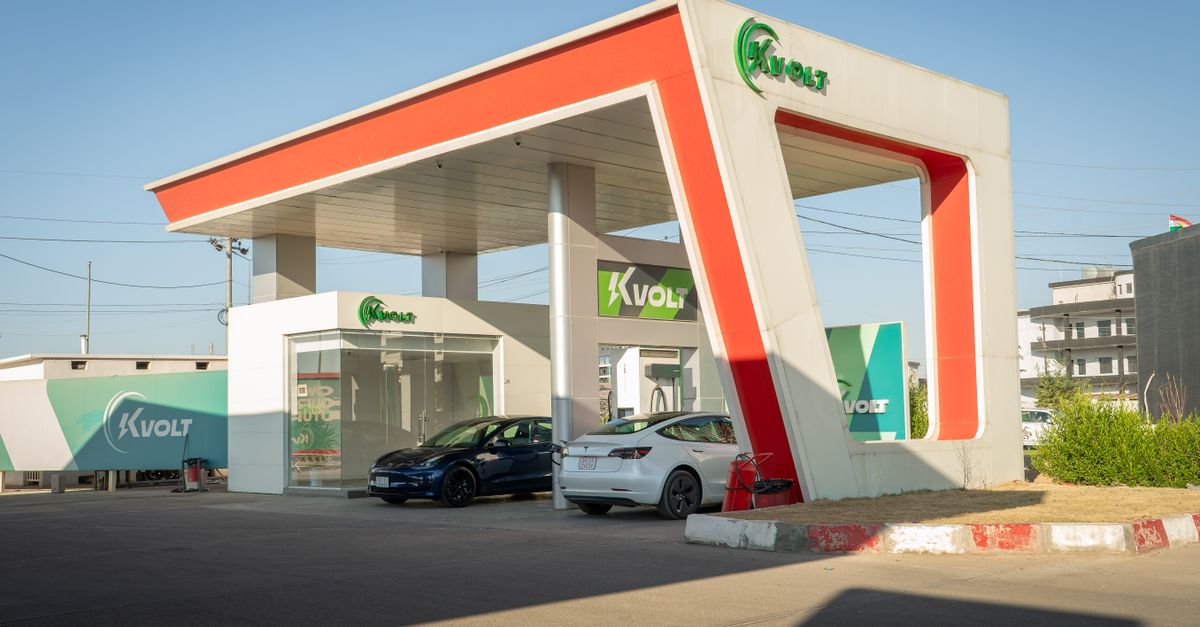
Electric vehicles introduced as part of the European Commission's 2022 green initiative are proving impractical for the long journey to Strasbourg. Commissioners are forced to make charging stops along the way, testing their patience with the new fleet. The situation highlights the real-world limitations of EV infrastructure for official EU travel.
PoliticsThe European Commission's ambition to lead by example on green transport has hit a practical snag: the electric vehicles introduced in 2022 for commissioners cannot complete the journey from Brussels to Strasbourg on a single charge. The roughly 400-kilometre trip now requires at least one charging pit stop, an inconvenience that has reportedly begun to wear on senior EU officials.
The EV fleet was rolled out as part of a broader push by the Commission to demonstrate its commitment to the European Green Deal and reduce its own carbon footprint. At the time, it was seen as a symbolic gesture of institutional alignment with EU climate policy goals. However, the day-to-day reality of long-distance official travel has exposed limitations that critics of rapid EV adoption have long pointed to.
The Strasbourg journey is a regular fixture in the EU calendar, as the European Parliament holds plenary sessions in the French city each month — a practice that itself has long been criticised for its environmental and financial cost. Commissioners travelling for these sessions now face the additional inconvenience of building charging time into their schedules.
The episode has added fuel to ongoing debates about the readiness of electric vehicle infrastructure to support high-demand institutional use cases. While EV technology has advanced significantly, range anxiety remains a genuine concern for users who depend on reliable, time-sensitive travel. For the Commission, the situation is an awkward reminder that green policy commitments can sometimes collide with operational realities.
No official changes to the commissioner vehicle fleet have been announced, but the charging stop requirement has drawn quiet frustration from within EU circles and raised questions about whether the transition to full electrification was implemented too hastily at the institutional level.
Open in app →