EU deadlocked over 'Made in Europe' industrial rescue plan
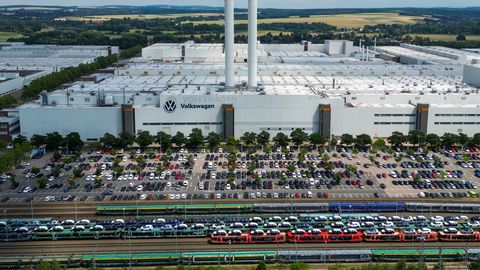
The European Commission had hoped to finalise an Industrial Acceleration Act by the end of 2026, designed to channel billions of euros into European firms through procurement rules to counter cheap Chinese exports. However, the plan is facing strong resistance from EU member states and MEPs who are critical of protectionist measures.
EconomyThe European Union is struggling to find consensus on a sweeping industrial policy that the European Commission has positioned as a cornerstone of Europe's economic self-defence against Chinese competition.
The Plan on the Table
The Commission had been working toward finalising an Industrial Acceleration Act by the end of 2026. The regulation would redirect public procurement spending toward European manufacturers, funnelling billions of euros into domestic industry. The underlying goal is to shield EU firms from the flood of low-cost Chinese exports that have put pressure on European producers across multiple sectors, from steel and solar panels to electric vehicles.
Deep Divisions Within the Bloc
The initiative, broadly branded under the "Made in Europe" banner, has run into a wall of opposition from member states and members of the European Parliament who see the approach as thinly veiled protectionism. Critics argue that favouring European suppliers in public tenders could raise costs for governments and consumers, distort competition within the single market, and invite retaliatory measures from trading partners.
The fault lines reflect a long-standing divide within the EU between countries that favour an activist industrial policy, often backed by France and southern European states, and those with more liberal, free-trade orientations, including several Northern and Eastern European nations.
What Comes Next
Without a political agreement, the timeline for the regulation is in doubt. The Commission faces the difficult task of redesigning or narrowing the proposal to win over sceptical capitals and lawmakers, while still satisfying the ambitions of those who argue Europe needs bold action to remain competitive globally.
The standoff underscores a broader tension at the heart of European economic strategy: how to protect domestic industry without undermining the open-market principles that have underpinned decades of EU growth.
Open in app →