EU net payer nations gear up for budget revolt over 1.8 trillion plan
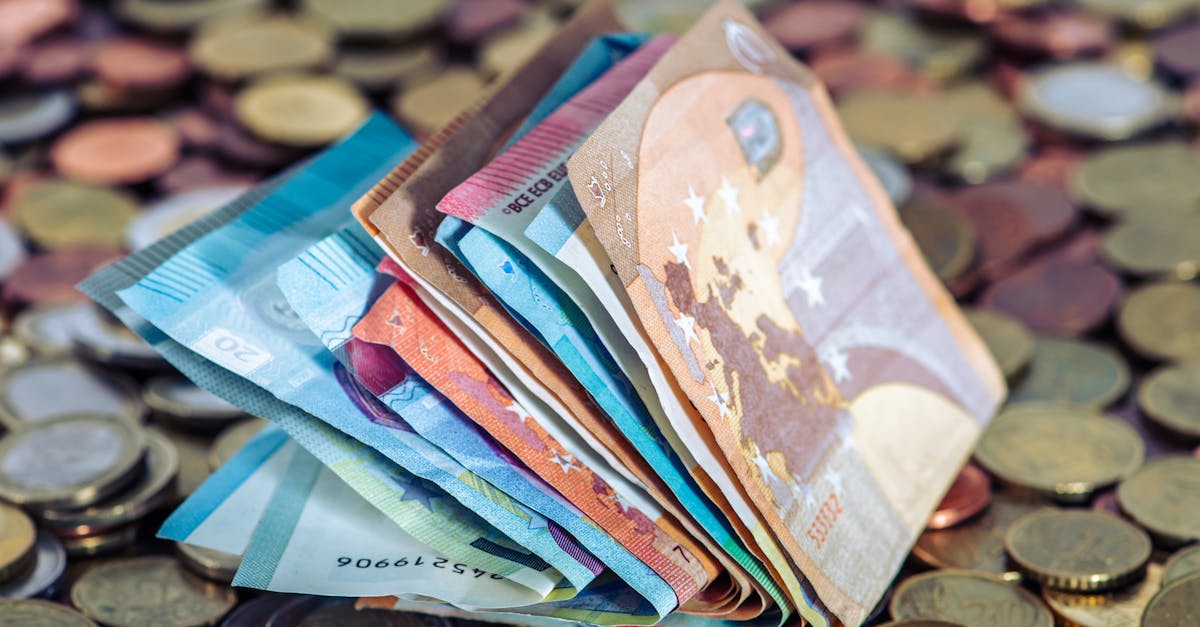
A group of EU member states that contribute more to the bloc's budget than they receive are preparing to push back against the European Commission's proposed 1.8 trillion spending framework for 2028–2034. The clash centres on disagreements over spending levels and national contributions. The dispute is expected to intensify as negotiations progress.
PoliitikaA coalition of net payer countries within the European Union is bracing for a significant fight over the bloc's next long-term budget, as the European Commission's proposal for the 2028–2034 multiannual financial framework — valued at approximately 1.8 trillion — comes under fire from member states that believe they are being asked to contribute too much.
## Net Payers Draw Battle Lines
Nations that historically pay more into the EU budget than they receive back in subsidies and funding — including Germany, the Netherlands, Austria, and the Nordic countries — have raised alarm over the scale of the Commission's ambitions. These governments argue that without significant reform of how money is allocated and spent, they face ever-growing bills at a time when domestic fiscal pressures are already intense.
The core tension lies in the Commission's push to expand EU spending in areas such as defence, green transition, and competitiveness, while simultaneously maintaining existing commitments to cohesion funds and agricultural subsidies. Net payer governments contend that new priorities must be funded through reallocation rather than through increased contributions from national capitals.
## Long Road to Agreement
Negotiations over EU multiannual financial frameworks are notoriously complex and often drag on well past initial deadlines, requiring unanimous agreement among all 27 member states. The 2021–2027 budget was only finalised after months of bitter dispute, and analysts expect the upcoming round to be equally contentious, particularly given the added pressure of post-pandemic debt levels and rising defence expenditure demands across the continent.
For Estonia and other smaller EU members, the outcome of these budget battles carries direct consequences — both in terms of the structural and cohesion funds that smaller economies rely on, and in the broader question of what kind of union the bloc wants to be heading into the 2030s.
Open in app →