European natural gas remains expensive even after Iran conflict subsides
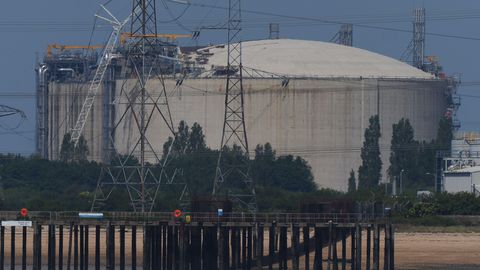
The Dutch TTF gas price, which is the benchmark for Europe's gas market, is unlikely to fall back to pre-war levels. Analysts point to continued uncertainty over passage through the Strait of Hormuz and the need to fill gas storage facilities ahead of the heating season.
EconomyEuropean natural gas prices will remain elevated even as the Iran conflict winds down, analysts warned on Monday, 16 June 2026, speaking to news agency Montel.
Strait of Hormuz creates uncertainty
Europe's gas market benchmark price, the Dutch TTF gas price, is unlikely to fall to pre-war levels because ship transit through the Strait of Hormuz remains threatening and unpredictable. The Strait of Hormuz is one of the world's most critical energy transit corridors, through which a significant portion of the world's liquefied natural gas supplies pass.
According to analysts, there is widespread market consensus that the regional conflict is winding down, but geopolitical risk has not disappeared. Shipping companies are being more cautious in routing around the strait, and insurance premiums have remained elevated.
Pressure to fill for heating season
Beyond geopolitical tension, Europe also faces a practical necessity: gas storage facilities must be adequately filled before the autumn heating season. This creates additional demand pressure, keeping prices elevated even if supplies were to partially normalise.
Analysts stressed that the combined effect of both factors-Middle East uncertainty and seasonal storage needs-means that European consumers and industry must prepare for persistently higher energy costs.
Open in app →