Europe's heatwave reveals: which countries face a water crisis?
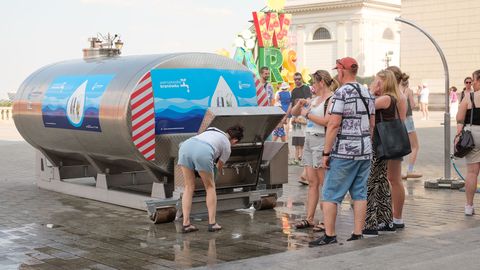
Europe is enduring a second consecutive week of an extraordinary heatwave, which has brought the question of water stress in different countries sharply into focus. Although the EU uses an average of only 5.8 per cent of its freshwater reserves, this figure masks significant regional differences. Some European countries face a serious risk of water crisis.
EconomyEurope has been gripped for a second consecutive week by an extraordinary heatwave that is prompting analysts to examine more closely which countries have water reserves under the greatest pressure.
Low average masks large differences
The EU as a whole uses only 5.8 per cent of available freshwater reserves, including water from glaciers, groundwater, rivers and lakes combined. At first glance, this figure may seem reassuring, as if the situation were completely under control.
However, the EU average masks significant regional differences. Southern European countries, such as Spain, Italy, Greece and Cyprus, face much higher levels of water stress than more northern member states. Drought periods there have become longer and more intense, depleting local water reserves even more rapidly.
Heatwaves are becoming ever more severe
Climate change is deepening the crisis across the continent. According to scientists, heatwaves in Europe are becoming more frequent, longer and hotter, which in turn increases water demand from agriculture, industry and residents alike. At the same time, rainfall is decreasing in many regions, particularly in summer months.
Regions suffering from water stress face growing pressure: agriculture needs more water for irrigation, cities must keep residents cool, and the manufacturing sector cannot reduce its operations. All these needs compete for an ever-dwindling resource.
Solutions require swift decisions
Experts emphasise that modernising water management, increasing water recycling and adopting drought-resistant crops are essential if Europe is to cope with future heatwaves. Some countries have already invested in modernising water infrastructure, but the pace is too slow for most.
Open in app →