Expert: RSV virus that killed 18 cattle at Pärnu County farm is not new to Estonia
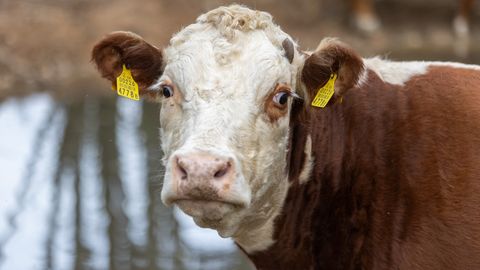
An outbreak of bovine respiratory syncytial virus (RSV) struck a farm in Pärnu County at the end of May, claiming the lives of 18 cattle. An expert from Estonian University of Life Sciences explains that RSV is not a new disease in Estonia, but under certain conditions it can cause significant losses.
EstoniaAn outbreak of bovine respiratory syncytial virus (RSV) struck a farm in Pärnu County at the end of May, ending tragically with the deaths of 18 cattle. The incident raised the question of whether this disease poses a broader threat to Estonia's cattle farming.
According to Kerli Mõtus, associate professor of herd health at the Estonian University of Life Sciences, RSV is nothing new in Estonian cattle farming. The disease has been known to circulate among animals for years, but in most cases it progresses relatively mildly and does not cause mass losses.
However, Mõtus emphasises that under certain conditions, particularly stress, poor ventilation, high animal density, or the presence of other diseases, RSV can take a much more severe course and cause serious consequences in a herd. It appears that such circumstances played a role in the Pärnu County farm outbreak.
Bovine RSV is a respiratory virus that primarily affects the respiratory tract and can lead to pneumonia. Young animals are more susceptible to the disease, but adult cattle are not protected either. To limit disease spread, best practices in herd management, good barn ventilation, and vaccination when necessary are recommended.
In the expert's assessment, the Pärnu County incident does not give reason for concern about Estonian cattle farming as a whole, but it serves as a reminder of the need to carefully monitor the health status of animals and respond quickly to the first signs of illness.
Open in app →