Experts warn: urinating in swimming areas damages water quality
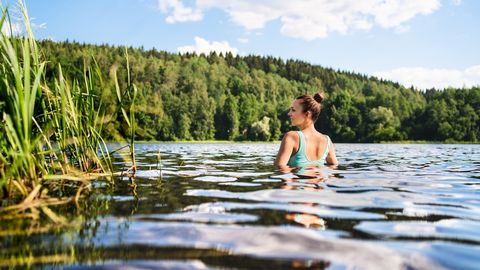
Urinating in swimming areas is more than a matter of etiquette-it has real ecological consequences. According to experts, human urine acts as fertilizer in water, accelerating algae blooms. This is especially dangerous in small, enclosed lakes where the water does not naturally cleanse itself.
CultureMany swimmers regard urinating in a pool or lake as a harmless habit, but experts warn that it is ecologically damaging behaviour with potentially serious consequences for water quality at swimming sites.
Human urine contains nitrogen and phosphorus, nutrients that act in water exactly like fertilizer. This creates ideal conditions for rapid algae proliferation, which can quickly turn clear water green and murky.
Large and small bodies of water respond differently
Large bodies of water can relatively well dilute such a load, and nutrient concentrations typically remain within safe ranges. It is a different story with small, poorly draining lakes, where water does not circulate or renew quickly enough.
In precisely such places, widespread urination can trigger algae blooms that ruin swimming water and may render it hazardous to health. Certain algae species produce toxins that irritate skin and eyes and are dangerous to animals as well.
Behaviour affects all swimmers
Experts emphasize that awareness of the problem is the first step to solving it. At swimming sites, it is best to use the facilities available on shore and to bear in mind that every swimmer's choice directly affects water quality and everyone else's experience at the swimming site.
Open in app →