Fish and Chips Fraud: Cheap Species Sold as Premium
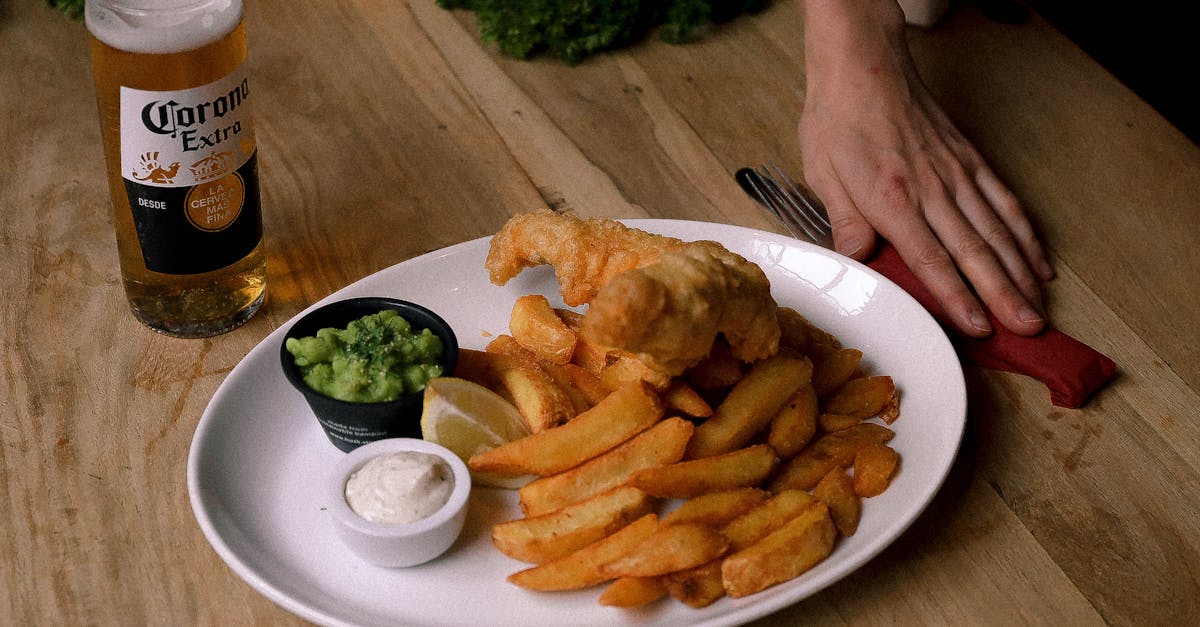
A BBC investigation has uncovered widespread mislabeling in British chip shops, where owners are selling cheaper fish species while marketing them as traditional fish and chips. The practice deceives consumers paying premium prices for what they believe are authentic meals.
EconomyBritish chip shop operators have been caught systematically deceiving customers by substituting premium fish with cheaper alternatives while maintaining "traditional fish and chips" branding and pricing, according to findings from a BBC investigation. The practice allows shop owners to increase profit margins by sourcing less expensive species that consumers cannot easily distinguish once prepared and served.
The investigation reveals a widespread problem across the UK fish and chips industry, where cost-cutting measures directly compromise product authenticity and consumer trust. Shop owners purchase cheaper fish varieties at a fraction of the price of traditional options, then present these substitutes to unsuspecting customers as genuine traditional fare. This represents a clear case of consumer fraud, as customers pay premium prices based on false product descriptions.
The findings raise serious questions about labeling requirements and enforcement within the food service sector. Regulatory bodies face challenges in monitoring thousands of chip shops nationwide, and many establishments operate with minimal oversight regarding ingredient authenticity. The investigation demonstrates how easily marketing language can mislead consumers in the absence of rigorous verification standards.
Industry experts suggest that increased transparency and stricter labeling requirements could help prevent such practices. Consumers purchasing fish and chips have a right to know exactly what species they are consuming, particularly when paying for products marketed as traditional. The BBC findings serve as a reminder of the importance of consumer vigilance and the need for stronger enforcement of food industry regulations across the United Kingdom.
Open in app →