Former ministry building on Lai Street in Tallinn's Old Town could go to VHK school
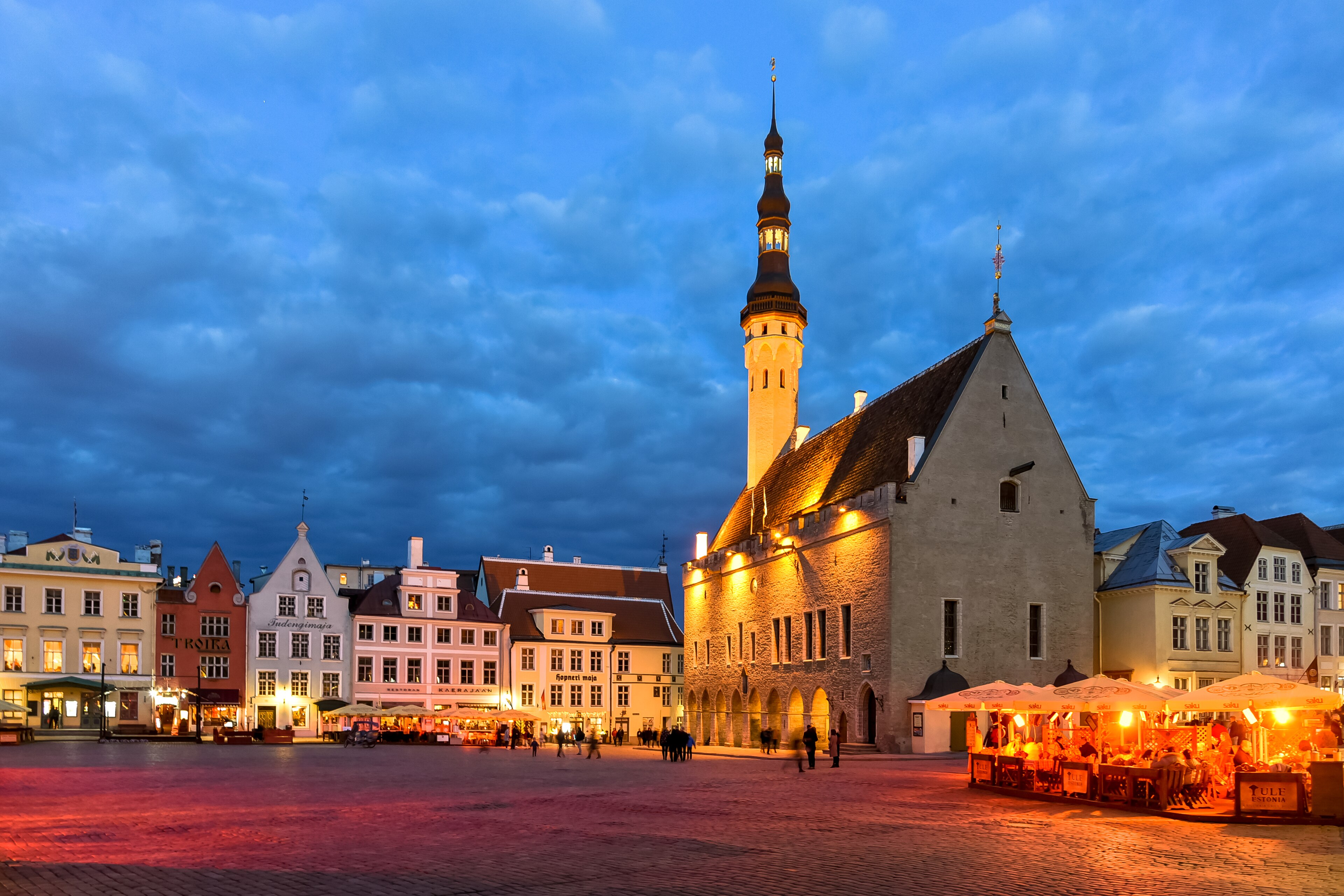
Tallinn is negotiating a property swap with state-owned Riigi Kinnisvara AS (RKAS) to secure the former Rural Affairs Ministry building at Lai 39/41 for Vanalinna Hariduskolleegium (VHK). A deal is expected to be reached by July, with the city council set to discuss the matter in August. The building would need significant adaptation before VHK could move in.
EstoniaTallinn is in active negotiations with state real estate company Riigi Kinnisvara AS (RKAS) over a property exchange that would hand the city the former Rural Affairs Ministry building on Lai Street in the Old Town, with the intention of eventually transferring it to Vanalinna Hariduskolleegium (VHK).
School crammed into ageing buildings
VHK currently operates across several properties in the Old Town, many of which require significant renovation. The city has held off on repairs precisely because it has been searching for a consolidated alternative, and the former ministry building at Lai 39/41 appears to be that solution.
Tallinn's Deputy Mayor for Education, Andrei Kante, told ERR that the city and RKAS both see mutual benefit in the exchange: «The city plans to carry out a property swap. Riigi Kinnisvara has an interest in some of our properties, while we are interested in the former Rural Affairs Ministry building.»
Representatives from the city and RKAS met on Tuesday to discuss which municipal properties could be offered in exchange for the Lai Street building. The parties agreed to share independent valuation reports, analyse them, and then resume talks on the specific terms of the deal.
July deadline, autumn completion
RKAS portfolio management head Serob Asatryan confirmed the target timeline: «We believe an agreement is achievable. After reviewing the valuation reports, we will continue negotiations. According to the current plan, we want to reach an agreement no later than July.»
Once a deal is struck, the documentation package for the transaction will need to be prepared, and the actual exchange is expected to be completed in autumn 2026. Kante said the city hopes to bring the matter before Tallinn City Council as early as August.
However, he stressed that VHK would not be moving to Lai Street immediately, the building is not adapted for educational use and represents a longer-term development path. In the meantime, Tallinn has approved a budget of €1.5 million for roof repairs at VHK's current building, with work beginning this year.
Broader school investment pipeline
The deputy mayor also addressed the wider state of Tallinn's school infrastructure, noting that renovation needs grow each year. He cited VHK and Tallinn Open School, recently relocated from Auna 6 to Karjamaa Street, as examples of institutions that had faced heating or hot water problems in winter.
«This year we increased the budget by two million euros to address the issue more systematically,» Kante said, adding that the city faces a strategic choice between constructing new buildings and renovating existing ones, a decision that must also account for demographic trends and the future shape of the school network.
Two new school buildings are set to be completed in Tallinn in August 2026: the Hiiu basic school wing, with a total budget of €13.2 million, and an extension to the Reaalkool, costing €32.25 million.
Major projects in the pipeline
Looking further ahead, design work is ongoing for Kalamaja Basic School (estimated construction cost €18.1 million, design due January 2027), Marta Basic School (construction estimated at €29.5 million), and Nõmme Basic School (total estimated cost €20 million, design starting this year).
The new Kullo hobby centre building, budgeted at €33.5 million, is due in February 2027, followed by Tallinn Heleni School (€16.3 million) in September 2027. The Westholm Gymnasium extension, valued at €28.8 million, is expected to be completed by August 2028.
On Tuesday, Tallinn city government also approved the detailed planning for Kivimäe Basic School, clearing the way for a new school building and sports complex on that site.
On the question of standardised building designs versus architectural competitions, Kante said the answer depends on context, some schools, like Kalamaja and Reaalkool, demand bespoke solutions, while kindergartens such as the recently opened Loitsu are well suited to template designs, with at least one more similar project planned for next year.
Open in app →