French economist Thomas Piketty publishes optimistic work on a more equal future
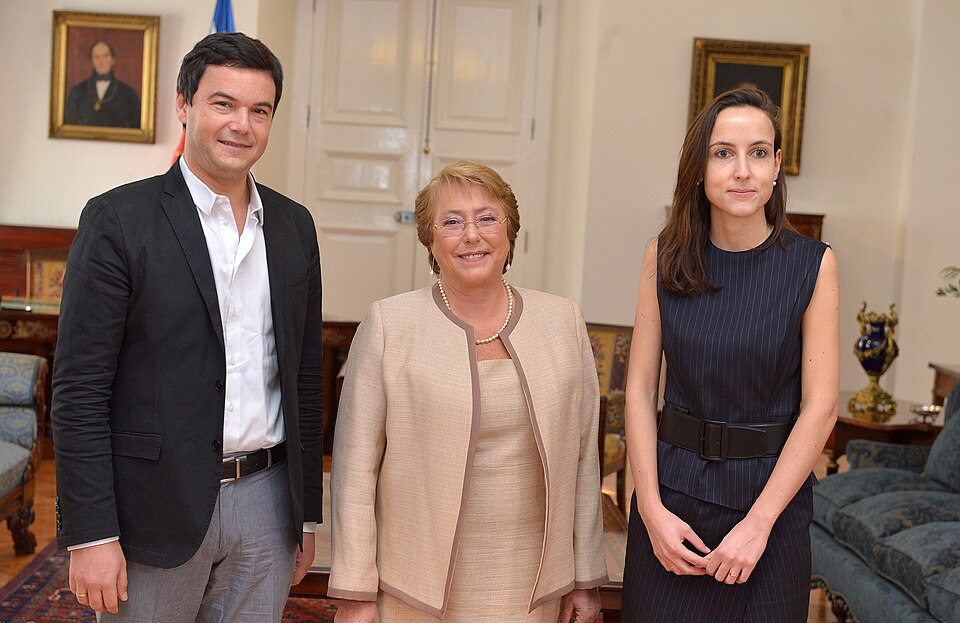
Renowned French economist Thomas Piketty has released a new book titled 'A Brief History of Equality', arguing that history provides genuine grounds for optimism despite today's widespread inequality. The work challenges pessimistic views by presenting evidence of long-term progress toward greater equality. Piketty is best known for his landmark study of wealth concentration in modern economies.
KultuurFrench economist [Thomas Piketty](/politicians/thomas-piketty) has published a new book, 'A Brief History of Equality', offering a hopeful counterpoint to the grim picture that global inequality statistics so often paint. Rather than dwelling on the scale of wealth gaps, Piketty argues that the long arc of history bends toward greater fairness — and that the evidence backs this up.
The book marks a notable shift in tone from Piketty's earlier work, the globally acclaimed 'Capital in the Twenty-First Century', which detailed how wealth tends to concentrate in fewer hands over time. In this new volume, he steps back to examine centuries of social, political, and economic change — and finds reason for hope rather than despair.
Piketty points to the abolition of slavery, the expansion of voting rights, the rise of public education and healthcare, and the emergence of progressive taxation as evidence that societies are capable of meaningful reform. While acknowledging that inequality remains a serious problem, he contends that dismissing progress as illusory does a disservice to history and to those who fought for change.
The publication arrives at a time when debates over wealth inequality, taxation of the ultra-rich, and the power of multinational corporations are intensifying across Europe and beyond. Piketty's latest work is likely to fuel those conversations, offering both an academic framework and a moral argument for continued reform.
For Estonian readers and policymakers, the book arrives in a broader context of EU-wide discussions on tax fairness and social cohesion — topics that resonate strongly as Estonia navigates its own debates over income distribution and public investment.
Open in app →