Fuel prices halt 43-day surge, potential relief ahead
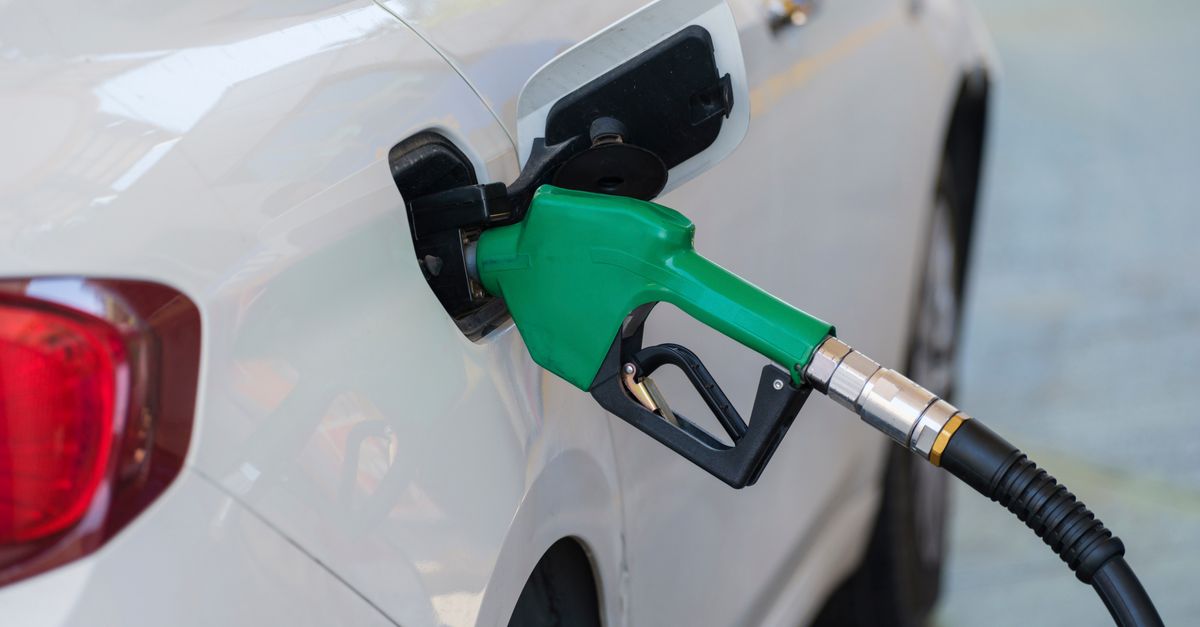
Fuel prices have stopped their upward trajectory after 43 consecutive days of increases, according to the RAC motoring group. The organization suggests that prices could begin declining in the coming weeks, offering potential relief to drivers.
EconomyFuel prices across the market have finally stabilized after more than six weeks of continuous increases, marking a significant moment for consumers and the motoring sector. The RAC, a major motoring organization, confirmed that the relentless upward pressure on fuel costs has come to a halt, ending what has been a challenging period for drivers managing their transportation expenses.
The 43-day streak of rising fuel prices represents one of the longest consecutive periods of increases in recent memory. During this extended climb, prices have accumulated additional costs that have weighed heavily on household budgets and commercial operators alike. The stabilization of prices provides the first sign of relief after weeks of mounting financial pressure at the pump.
Looking ahead, the RAC expressed optimism that fuel prices could begin declining over the next couple of weeks. This forecast suggests that market conditions may be shifting favorably, potentially driven by changes in global crude oil prices, supply chain adjustments, or other commodity market factors. The prospect of falling prices would provide welcome news to millions of drivers who have been paying premium rates during the recent surge.
The motoring group's analysis indicates that the worst of the price increases may have passed. If prices do indeed begin falling as anticipated, it could provide meaningful savings for drivers making frequent journeys, as well as relief for businesses dependent on fuel costs. However, analysts caution that fuel markets remain volatile and subject to various economic and geopolitical factors that could influence future price movements.
Consumers are being advised to monitor fuel price developments closely in the coming weeks, as the predicted decline could provide opportunities for more economical refueling decisions.
Open in app →