Gaza sisters create sustainable business from conflict rubble
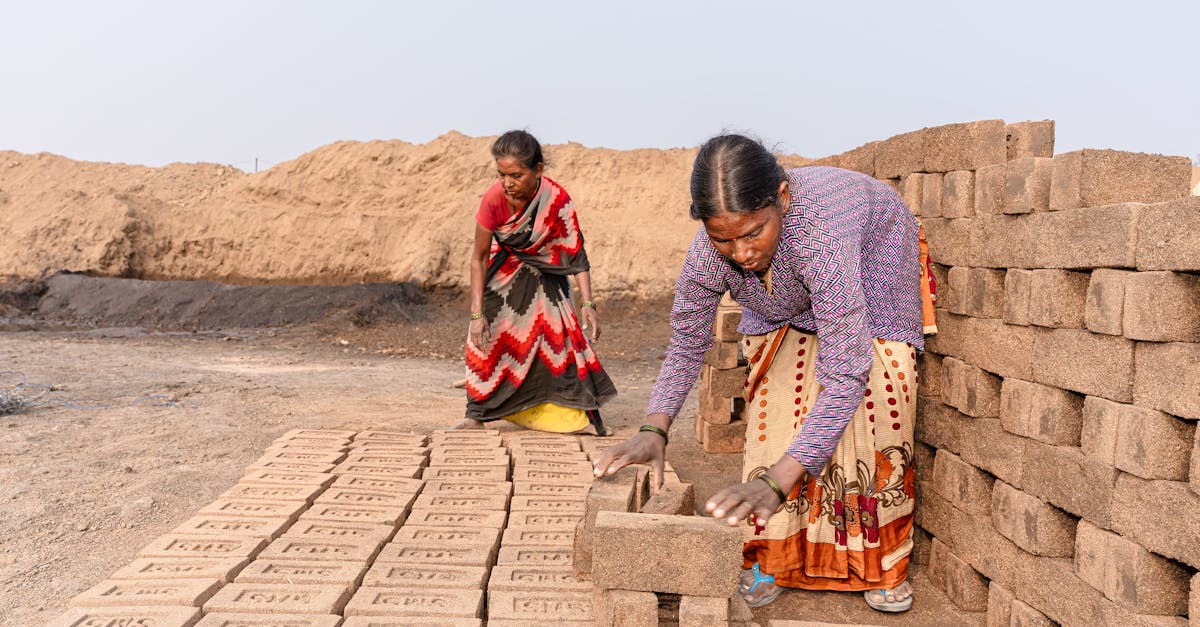
Two teenage sisters from Gaza have won recognition for their innovative project that transforms construction debris from destroyed buildings into reusable bricks. The sisters, Farah and Tala, developed their initiative as a response to widespread destruction in the region, combining environmental sustainability with economic opportunity.
EconomyIn Gaza, two displaced teenagers have launched an initiative that transforms rubble from destroyed structures into functional building materials. Sisters Farah and Tala conceived their brick-making project as a means to repurpose the extensive construction waste generated by conflict while creating a potential source of income for their community.
The project represents an innovative approach to addressing twin challenges facing Gaza: managing vast quantities of debris and generating economic opportunities. By developing a process to convert destroyed building materials into new bricks, the sisters have created a solution that reduces environmental waste while potentially providing employment and affordable building materials for reconstruction efforts.
Their work has attracted recognition through a prize award, acknowledging the practical and creative nature of their contribution. The initiative demonstrates how young entrepreneurs in conflict-affected regions are developing resource-efficient solutions that address both immediate reconstruction needs and long-term sustainability concerns.
The sisters' project reflects growing interest in circular economy approaches in regions affected by conflict, where the scale of physical destruction creates both environmental challenges and entrepreneurial opportunities. Their effort to turn what might otherwise be discarded waste into a valuable resource showcases innovation emerging from difficult circumstances.
As Gaza continues rehabilitation efforts, initiatives like this one that combine environmental responsibility with economic development may serve as models for sustainable reconstruction practices in post-conflict areas.
Open in app →