German-Dutch Corps assumes defence command of Estonia and Latvia in Valga
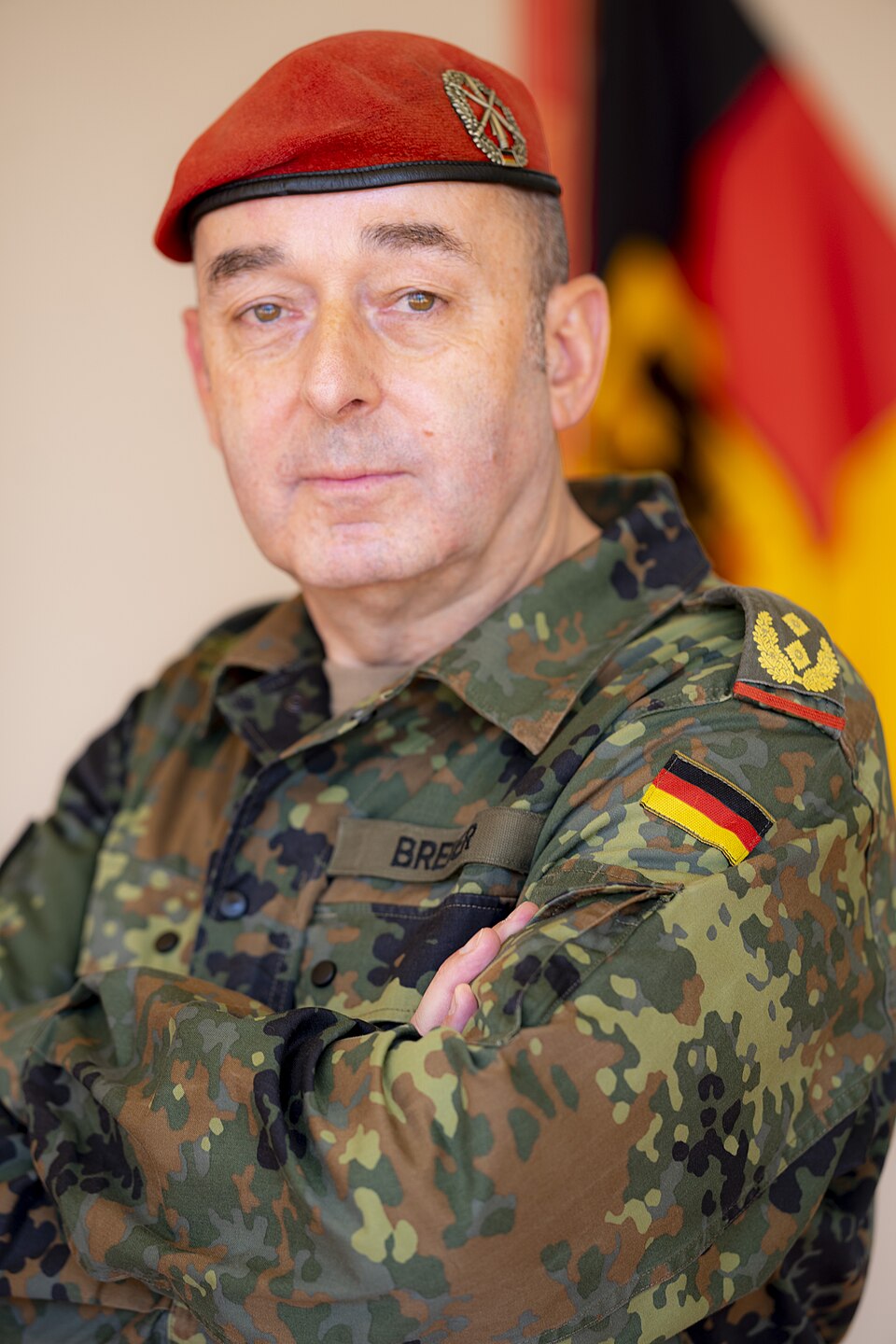
NATO's German-Dutch Corps officially took over defence command of Estonia and Latvia in Valga. Carsten Breuer, inspector general of the Bundeswehr, warned that Germany must be ready for full-scale war by 2029. The new corps could deploy up to 60,000 soldiers in a crisis, but currently lacks permanent forces in the region.
PoliticsNATO's German-Dutch Corps officially took over defence command of Estonia and Latvia in Valga on Tuesday. Until now, NATO's Northeast Corps has been responsible for the defence of the entire Baltic region and will henceforth remain responsible for the defence of Lithuania and Poland.
Why was the new corps created?
Carsten Breuer, inspector general of the Bundeswehr, explained at the handover ceremony in Valga that the previous responsible corps had reached the limit of its operational management capacity. "The corps that was previously responsible has reached the limit of its operational management capacity. We saw this during exercises here and we responded. NATO responded and deployed another combat corps here. This is the German-Dutch Corps," General Breuer said.
At the same time, Canadian battle vehicles stood in Valga's square, part of the NATO battle group stationed in Latvia, a stark reminder that the presence of allied forces in the region is already a reality.
Up to 60,000 soldiers in a crisis
General Peter Mirow, commander of the German-Dutch Corps, stressed that the corps currently has no permanent forces in the region. "By NATO decision, designated units are placed under my command. These are mostly units already present here in Estonia and Latvia. In addition, reinforcements from other parts of Europe for deployment here. In a crisis, NATO will strengthen the defence of Estonia and Latvia with its resources," Mirow said, adding that due to operational requirements he cannot disclose specific units or equipment.
The new corps is theoretically capable of mobilising up to 60,000 soldiers in a crisis, but the decision on their arrival rests with the alliance as a whole.
2029, a critical year
General Breuer has repeatedly warned that the Bundeswehr must be ready for full-scale war by 2029. According to analysts, by that time Russia could be capable of waging full-scale war against a NATO member state. "From different lines of action, political developments, personal readiness, from all these areas you can read it out. Watching this, seeing how the directions intersect with each other, I look to the year 2029," Breuer said.
The first permanent German brigade, which also represents the first permanent NATO base in the Baltic states, must be combat-ready in Lithuania next year, 2027. Strengthening the defence of the Baltic states is therefore proceeding on multiple fronts simultaneously: expansion of command structures, deployment of permanent forces, and continuous presence of allied troops in the region.
Open in app →