Germany and Austria battle for UN Security Council seat
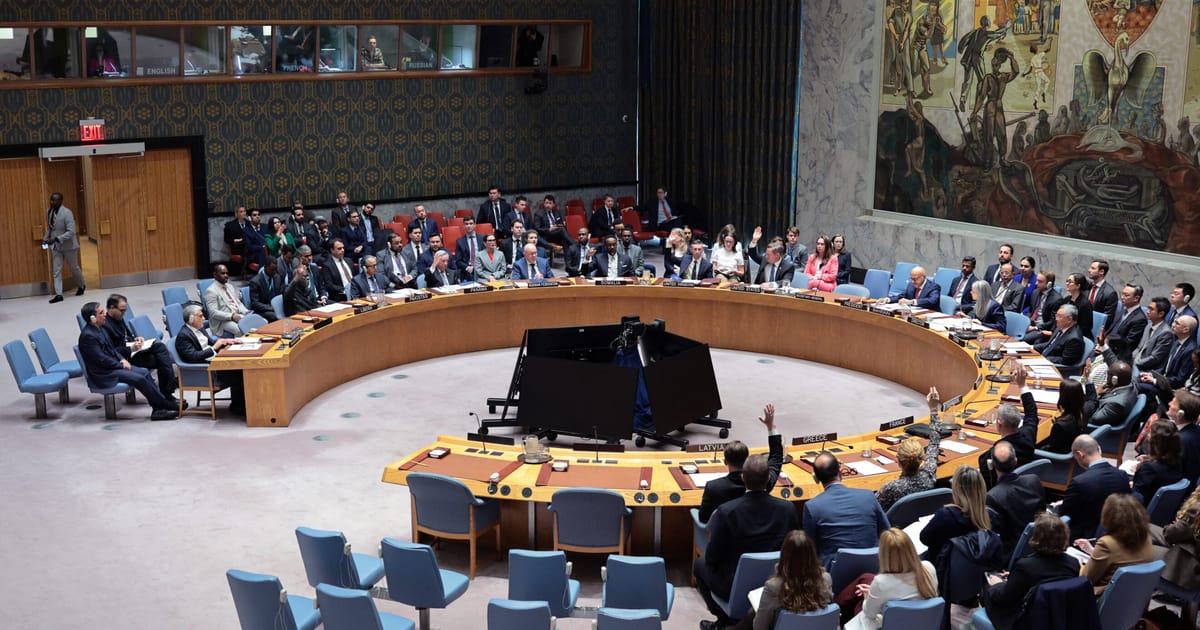
Germany and Austria, two close allies, have entered an unusually sharp competition for a non-permanent seat on the UN Security Council. The vote takes place on Wednesday. Both countries have been intensively lobbying for the support of other UN member states.
PoliticsGermany and Austria have found themselves in a rare diplomatic confrontation, competing for the same non-permanent seat on the UN Security Council. The vote will take place on Wednesday in the UN General Assembly chamber in New York, and diplomats from both countries have done everything possible in recent weeks to secure sufficient support votes.
Unusual rivalry between allies
Germany and Austria are both EU member states and share deep historical and cultural ties, which is why their public competition for this position has attracted international attention. Such contests do occur regularly, but it is rare for two countries so geographically close and historically interconnected to compete so directly against each other. Both sides have refrained from public confrontation, but behind-the-scenes lobbying has been, according to the parties, extraordinarily intense.
A non-permanent seat on the Security Council is a prestigious position that gives a country a two-year seat on the world's most influential forum for making international security decisions. Although non-permanent members lack veto power, they can influence the agenda and participate in voting on important resolutions. Countries candidating through the European regional group must obtain a two-thirds majority of votes from all UN members.
Arguments of both countries
Germany has emphasised its significant international weight, economic power, and active role in resolving the Ukraine conflict and coordinating humanitarian aid. Austria, in turn, has highlighted its long-standing tradition of neutrality and its experience in hosting international organisations — Vienna is home to several major UN agencies.
The result will become clear during the voting on Wednesday, and international observers are watching closely, as it reflects broader trends in European diplomatic influence.
Open in app →