Global Food Supply Threatened by Iran Crisis, Warns Fertilizer Giant
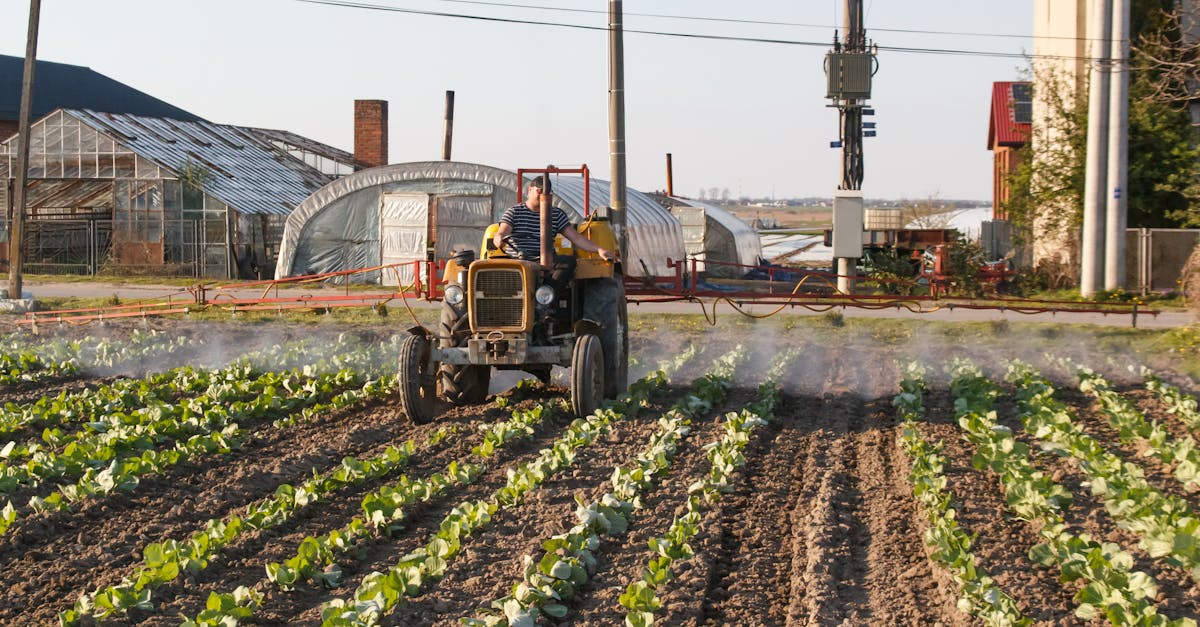
The CEO of Yara, a major fertilizer producer, warns that disruptions stemming from the Iran conflict could jeopardize food production equivalent to 10 billion meals weekly. Reduced fertilizer availability threatens to lower crop yields and increase food prices globally.
EconomyThe escalating tensions in Iran have triggered concerns about global food security, with industry leaders sounding alarms about supply chain disruptions. According to the chief executive of Yara, a leading fertilizer manufacturer, the ongoing conflict could severely impact agricultural productivity across multiple regions, potentially affecting the availability of food for billions of people worldwide.
The shortage of fertilizers represents a critical vulnerability in the global food production system. When fertilizer supplies tighten, farmers worldwide face reduced yields on their crops, directly translating to less food reaching markets and consumers. This ripple effect extends beyond agriculture into the broader economy, where increased production costs are typically passed on to consumers through higher food prices.
Yara's leadership emphasizes that the situation extends beyond a regional concern. The fertilizer industry operates on global supply chains, and any disruption in key producing regions can have cascading effects across continents. The estimated impact of 10 billion meals per week represents an enormous portion of global nutrition and food security.
The conflict's effect on fertilizer supplies highlights how geopolitical tensions can quickly transform into economic and humanitarian challenges. Nations dependent on fertilizer imports face particular vulnerability, as they must compete for limited supplies while prices climb. Food-insecure regions could experience especially severe consequences from reduced crop yields and elevated costs.
Industry observers note that resolving the Iran situation promptly becomes increasingly important not just for regional stability, but for maintaining global food security and preventing widespread economic disruption tied to agricultural production.
Open in app →