Global Forest Loss Slows Despite El Niño Fire Risks
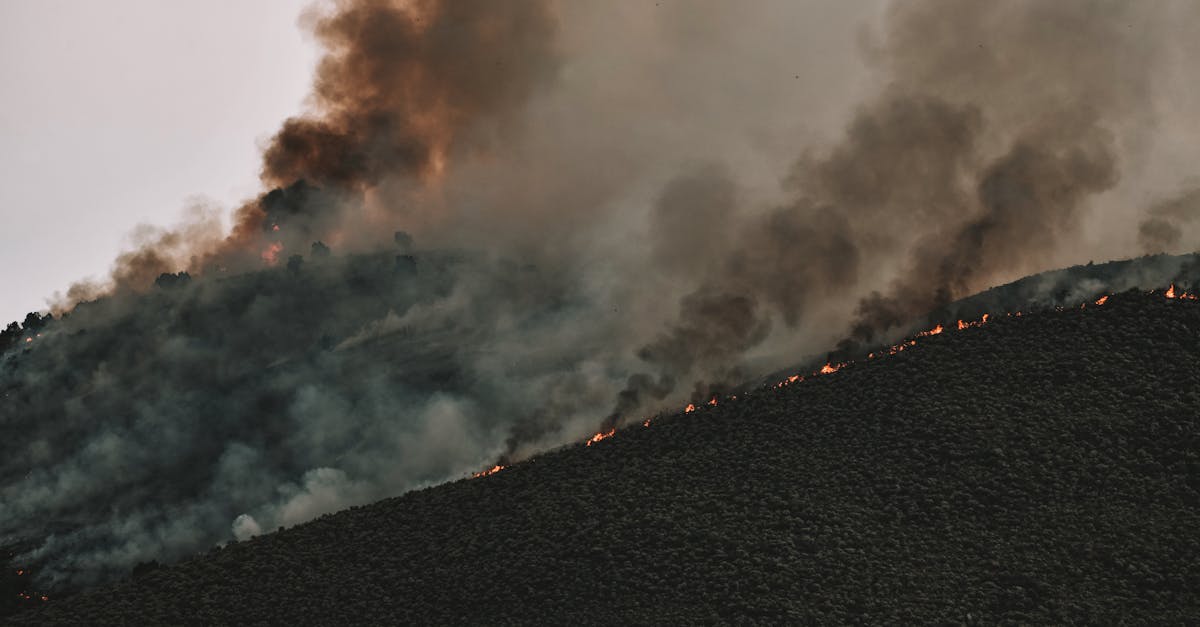
New data shows tropical rainforest destruction decreased last year, offering a glimmer of hope for conservation efforts worldwide. However, scientists caution that the El Niño weather phenomenon could trigger devastating wildfires that might reverse recent progress in forest preservation.
EconomyRecent analysis of global forest cover reveals that the rate of tropical rainforest loss declined in the past year, marking a modest improvement in environmental conservation trends. This slowdown represents a rare positive development in the ongoing battle against deforestation, which has accelerated dramatically over the past two decades due to agricultural expansion, logging, and infrastructure development.
Despite this encouraging trend, environmental researchers express serious concerns about future threats to forest ecosystems. The El Niño weather pattern, which brings warmer temperatures and altered precipitation patterns to tropical regions, poses a significant risk of triggering widespread forest fires across vulnerable areas. Such fires could rapidly undo the conservation gains achieved in recent years and further reduce the capacity of remaining forests to absorb carbon dioxide from the atmosphere.
Scientists emphasize that while the recent slowdown in deforestation rates is noteworthy, tropical rainforests continue to disappear at alarming speeds globally. The loss of these critical ecosystems threatens biodiversity, disrupts local weather patterns, and accelerates global climate change. Protecting the remaining forest cover requires sustained international cooperation, enhanced enforcement of environmental regulations, and significant investment in alternative economic models that do not depend on forest destruction.
The data underscores the delicate balance between conservation progress and environmental vulnerability. Maintaining the momentum of reduced forest loss while preparing for climate-driven disasters like El Niño-induced fires will demand coordinated efforts from governments, environmental organizations, and communities that depend on forest resources for their livelihoods.
Open in app →