Golf Courses Under Pressure as Housing Crisis Sparks Development Debate
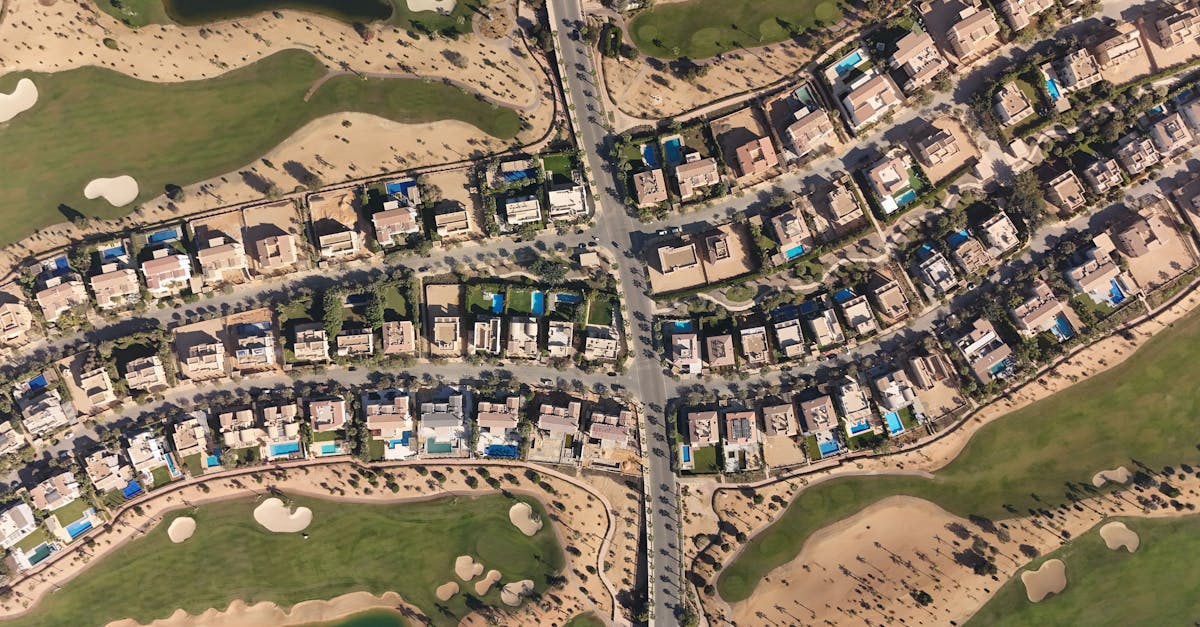
A growing debate is emerging across multiple countries about whether golf courses should be converted into residential developments to address housing shortages. Developers and housing advocates argue that underutilized golf courses represent prime real estate opportunities, while golf industry representatives and community members defend the courses as valuable green spaces and recreational assets.
EconomyThe conversion of golf courses into residential housing has become an increasingly contentious issue as cities worldwide grapple with housing shortages and rising property costs. On one side, real estate developers and housing advocates point to golf courses as underutilized land in desirable locations that could be repurposed to build thousands of homes. They argue that in many urban and suburban areas, golf courses occupy significant acreage that could help address the acute housing deficit affecting young families and first-time buyers.
Opponents of this trend, including golf industry representatives, local communities, and environmental advocates, contend that converting these spaces would eliminate valuable green areas in increasingly built-up regions. Golf courses provide recreational opportunities for tens of thousands of participants, generate local employment, and serve as ecological habitats for various plant and animal species. They also argue that golf courses contribute to water management and stormwater control in their communities.
The debate reflects a fundamental tension between two competing needs: the urgent demand for affordable housing and the preservation of recreational and green spaces. Several jurisdictions have already seen proposals or completed conversions of golf courses, with outcomes varying based on local zoning regulations, community input, and developer ambitions. Some converted sites have successfully integrated limited housing with preserved green space, while others have resulted in fully residential developments.
LocalGovernments and planning authorities increasingly face pressure to make decisions on such proposals, requiring careful consideration of both the housing crisis and community quality-of-life concerns. The outcome of these debates will likely shape urban development patterns for years to come, as cities determine whether golf courses remain sacrosanct recreational spaces or are considered viable candidates for residential redevelopment.
Open in app →