Google Launches Screenless Fitbit Air Health Tracker
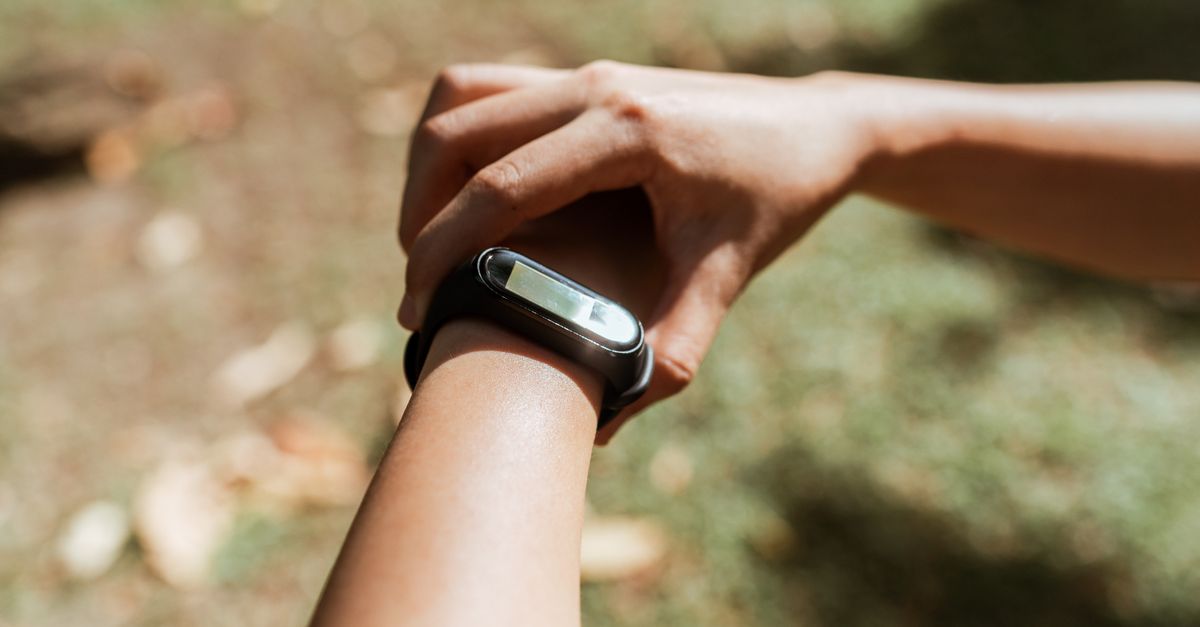
Google has introduced the Fitbit Air, a new wearable device without a screen that focuses on continuous health monitoring. The device tracks heart rate, sleep patterns, blood oxygen levels, and other vital metrics similar to the Whoop fitness tracker.
TechnologyGoogle has expanded its wearable technology portfolio with the launch of Fitbit Air, a screenless fitness tracker designed to provide comprehensive health monitoring throughout the day. The device represents a shift toward minimalist wearables that prioritize data collection over on-device display features, following the approach pioneered by competitors like Whoop.
The Fitbit Air comes equipped with an extensive suite of health tracking capabilities. Users can monitor their 24/7 heart rate in real-time, receive alerts for irregular heart rhythms including atrial fibrillation (Afib), and track blood oxygen saturation levels (SpO2). The device also measures resting heart rate and heart rate variability, providing insights into cardiovascular health and recovery status.
Beyond cardiovascular metrics, the Fitbit Air offers comprehensive sleep analysis, tracking both sleep stages and total sleep duration. This multi-faceted approach to health monitoring positions the device as a tool for users seeking detailed wellness insights without the distraction of a screen interface. Google's focus on screenless design may appeal to users who prefer passive monitoring and data synchronization through their smartphones.
The launch reflects growing market demand for wearable devices that specialize in health metrics rather than general smartwatch functionality. With the Fitbit Air, Google aims to compete directly with dedicated fitness trackers while leveraging its ecosystem of health apps and services to provide users with actionable insights based on their collected data.
Open in app →