Gray Whales Dying in San Francisco Waters as Scientists Investigate
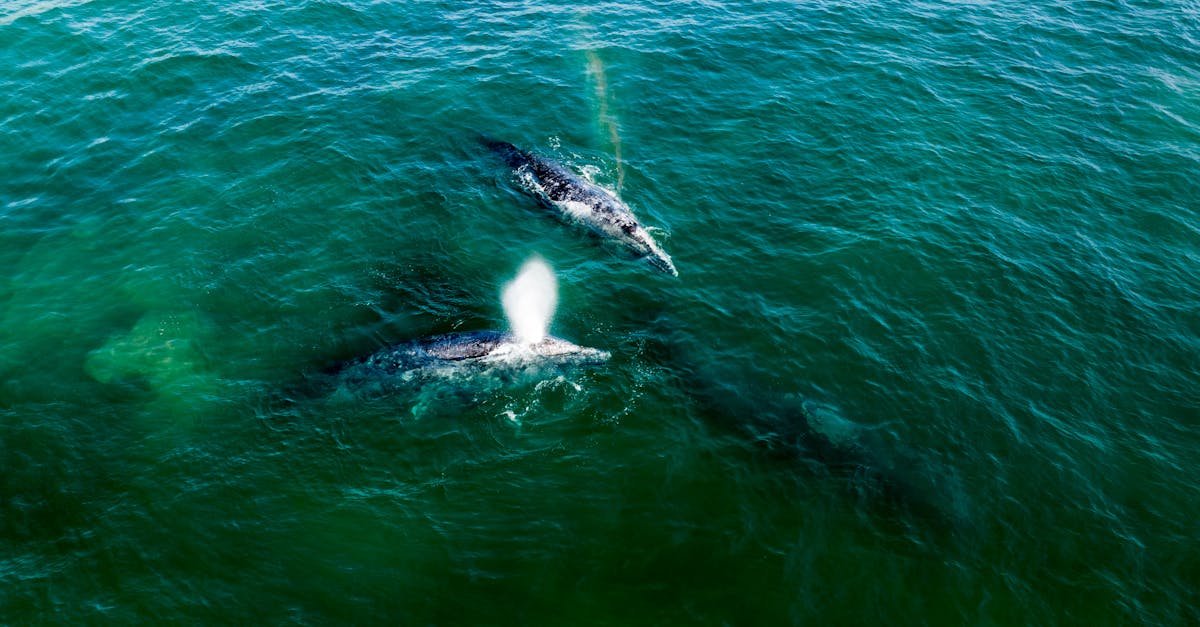
Marine researchers in San Francisco are investigating an unusual mortality event affecting gray whales in the region's waters. Climate change and altered migration patterns are being examined as potential causes, while scientists work to understand the underlying factors behind the deaths.
EconomyGray whales are dying at elevated rates in the waters near San Francisco, prompting US marine scientists to launch investigations into the mysterious phenomenon. The deaths have drawn attention from researchers who are working to determine what environmental or biological factors may be contributing to the mortality spike among this endangered species.
Climate change has emerged as a leading theory among researchers studying the incident. Shifts in ocean temperature, food availability, and other environmental conditions related to warming waters may be disrupting the whales' natural life cycles and migration patterns. San Francisco Bay and surrounding Pacific waters have experienced notable temperature changes in recent years, potentially affecting the entire marine ecosystem that gray whales depend on for survival.
The altered migration routes of gray whales present both a challenge and an opportunity for scientific research. As the whales change their traditional paths through San Francisco's waters, researchers have gained rare access to study populations that historically traveled through different regions. This unprecedented research opportunity has allowed scientists to document behaviors and health conditions that were previously difficult to observe.
Experts are examining multiple factors including shifts in prey availability, disease, pollution, and vessel traffic impacts. The investigation represents a collaborative effort among marine research institutions to understand how environmental change is affecting whale populations along the California coast. Understanding these factors could provide crucial insights into broader impacts of climate change on marine mammals and ocean ecosystems more widely.
Open in app →