Group stage of 2026 World Cup becomes more thrilling due to abundance of draws
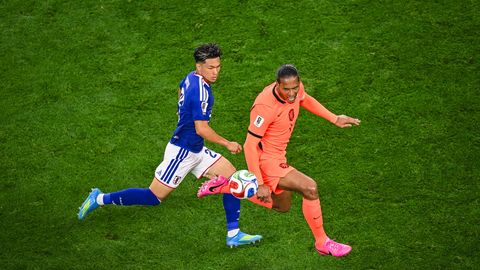
The 2026 FIFA World Cup has seen a striking number of draws in its early rounds, with eight out of roughly twenty matches played ending in a tie, nearly half. While this may disappoint some fans, it adds genuine intrigue to the group-stage tournament.
SportBy Thursday morning at the 2026 FIFA World Cup, roughly twenty matches have been played, and as many as eight, nearly half, have ended in a draw. This is a figure that leaves no one indifferent.
A draw is an ambivalent result in football. Fans hoping for a clear winner and a thrilling final minute often find a match ending in a draw frustrating. No one wins, no one loses, and it can feel like a wasted evening.
On the other hand, it is precisely this abundance of draws that makes the group-stage tournament more tense. When results are balanced, multiple teams find themselves clustered together in the standings, and each subsequent round brings even greater pressure. A single defeat or a single victory can turn an entire group's situation on its head.
The distribution of eight draws across roughly twenty matches suggests that this World Cup has a more even balance of power than ever before, with weaker teams able to keep pace with the favourites and strong teams unable to secure easy wins. This transforms the group stage into a true game of intrigue, where no place is certain until the final whistle of the last match.
Open in app →