Hay Fever Season Growing Longer: What You Need to Know
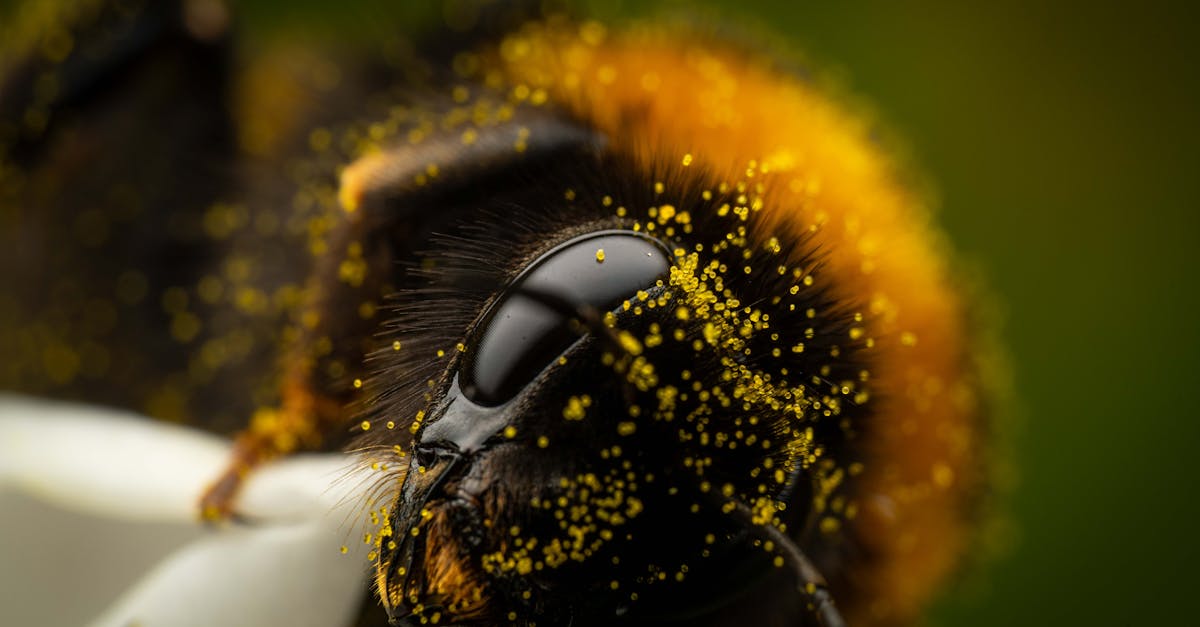
A major study reveals that hay fever symptoms are now persisting up to two weeks longer than they did in the 1990s, indicating a significant shift in seasonal allergies. The extended pollen season presents new challenges for allergy sufferers, with experts offering guidance on managing the prolonged discomfort.
OpinionHay fever sufferers are facing an increasingly frustrating reality: the pollen season that once dominated springtime has extended well into summer months, according to research findings from a comprehensive analysis comparing allergy patterns across decades. The study shows that symptoms that historically lasted a predictable few weeks in the 1990s now stretch two weeks longer, creating an extended period of misery for millions dealing with seasonal allergies.
The expansion of the hay fever season points to broader environmental changes affecting plant pollination cycles worldwide. Warmer temperatures and shifting climate patterns have altered the timing of when plants release their pollen into the atmosphere, pushing the traditional end date of allergy season further into the year. This means individuals who historically could expect relief by early summer now find themselves battling symptoms well into July and beyond.
For those managing allergies during this extended season, several strategies can help ease symptoms. Keeping windows closed during peak pollen hours, using air purifiers with HEPA filters indoors, and wearing sunglasses to protect eyes from airborne pollen are practical first steps. Regular use of antihistamine medications and nasal sprays prescribed by healthcare providers can provide consistent relief, while washing clothes and hair after spending time outdoors helps remove accumulated pollen particles.
Allocating time for outdoor activities during early morning or after rainfall-when pollen counts typically drop-allows allergy sufferers to still enjoy the season while minimizing exposure. Consulting with allergists about immunotherapy options or other advanced treatments may benefit those with severe symptoms that significantly impact their quality of life during the extended pollen season.
As climate patterns continue to evolve, understanding and adapting to longer hay fever seasons will become increasingly important for public health planning and individual wellness strategies.
Open in app →