Health effects of large-scale wind turbines in Estonia remain scientifically unexplained
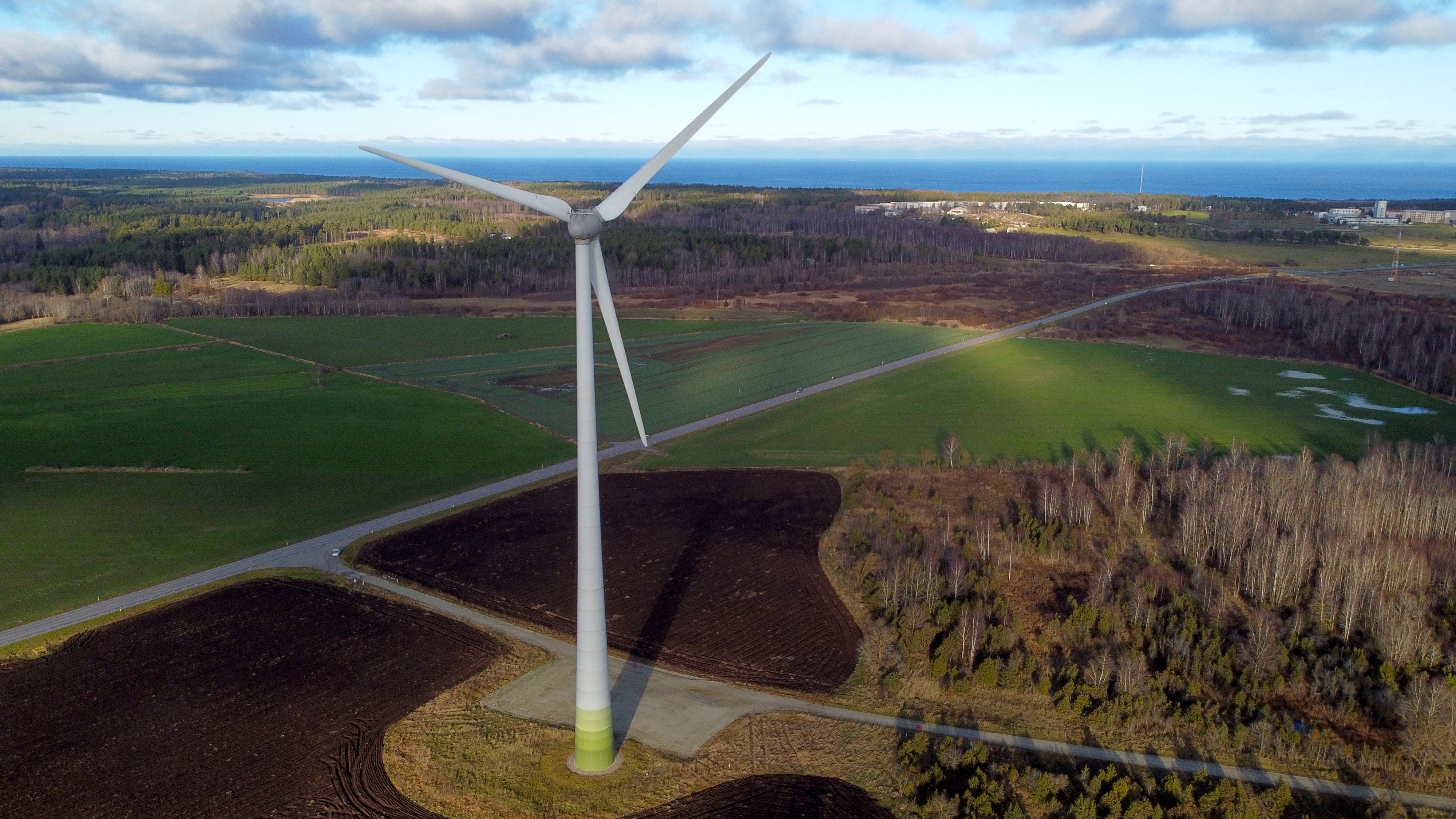
Giant onshore wind turbines have arrived in Estonia faster than science has been able to thoroughly investigate their health effects. This knowledge gap is creating disputes between scientists, politicians and local residents. The question is whether scientific gaps should be filled before new wind farm developments proceed.
OpinionIn recent years, increasingly tall onshore wind turbines have been rising across Estonia, yet science has not yet provided clear answers about how these structures affect human health. This knowledge gap has become a flashpoint among the scientific community, policymakers and the populations living near wind farms.
What we know and what we don't
The main point of contention is not simply noise. The question is broader: what can current measurement methods actually detect? Modern large-scale turbines are significantly taller and more powerful than their predecessors, yet the applicable standards and measurement protocols were developed based on previous-generation technology. This means that some potential effects — such as infrasound and low-frequency noise — may be under-registered in current assessment systems.
Scientists contend that infrasound-inaudible sound waves-may affect the human body even when not directly perceived. Research in this field has been conducted, but results are sometimes contradictory and research methodologies vary significantly between countries.
Rapid development, slow science
Wind energy development is proceeding at a rapid pace globally, including in Estonia. The country has committed to increasing the share of renewable energy, and wind farms play a key role in that plan. However, the pace of rapid development means that new turbine generations are often installed before their long-term health effects have been thoroughly studied.
Local residents, whose homes border newly erected wind farms, are asking increasingly more questions. Their concerns go beyond noise levels alone, but also include sleep disturbances, headaches and a general decline in wellbeing. Whether these complaints are directly linked to the turbines, however, remains scientifically unproven.
Gaps must be filled before decisions are made
The situation calls for clear prioritisation: before continuing large-scale wind farm development in Estonia, investment should be made in thorough, independent scientific research. Measurement methodologies need to be updated to reflect the actual impact of the new generation of turbines. Local residents should also be involved not only in planning processes, but in the design of studies themselves.
Renewable energy development is essential for achieving climate goals, but it must not happen at the expense of public health or under a veil of ignorance. Responsible energy policy means that knowledge gaps are filled before decisions are made, not after.
Open in app →