Healthcare Education as a Key to Labour Shortages in Estonia's Peripheral Regions
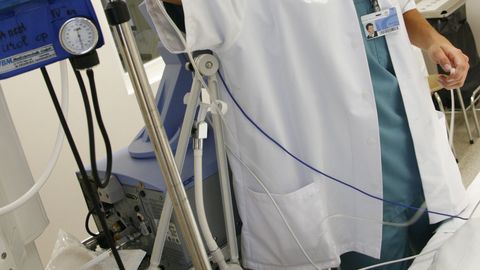
Ulvi Kõrgemaa, deputy rector for academic affairs at Tallinn School of Health Care, writes that applied healthcare education is not merely a solution to labour shortages, but an important tool for reducing regional inequality. She emphasises that people-centred education policy should ensure that healthcare specialists are available throughout Estonia, particularly in peripheral areas. This choice is becoming increasingly important amid a deepening healthcare workforce crisis.
OpinionEstonia's healthcare system is facing a serious labour crisis that is hitting rural areas and smaller towns particularly hard. Ulvi Kõrgemaa, deputy rector for academic affairs at Tallinn School of Health Care, argues that applied healthcare education does more than fill gaps in the labour market; it can also serve as a crucial lever for reducing regional inequality.
According to Kõrgemaa, healthcare education should be understood more broadly-not merely as professional training, but as a societal investment that ensures medical specialists reach Estonia's peripheral regions. As things stand, a large share of healthcare workers are concentrated in larger cities, leaving rural areas disproportionately under-resourced.
Education that Keeps People
The deputy rector emphasises that a well-designed healthcare education system should support both students' development and their choices to work outside major urban centres. This requires flexible learning formats, the creation of internship placements in various regions, and the design of state incentives that make working in peripheral areas attractive.
The regional impact of healthcare education is particularly acute in Ida-Virumaa, southern Estonia, and other areas where access to medical care is already critically limited. Without a systematic approach, the situation risks deteriorating further, as a large share of the current healthcare workforce generation approaches retirement age.
A Societal Choice
According to Kõrgemaa, this is a societal choice: do we shape healthcare education in a way that supports more equal access to medical care across Estonia, or do we accept a situation where quality healthcare remains geographically unequal? The answer to this question will shape the future of healthcare for years to come.
Open in app →