Hidden 1940s Artifacts Discovered Beneath Scottish Flat
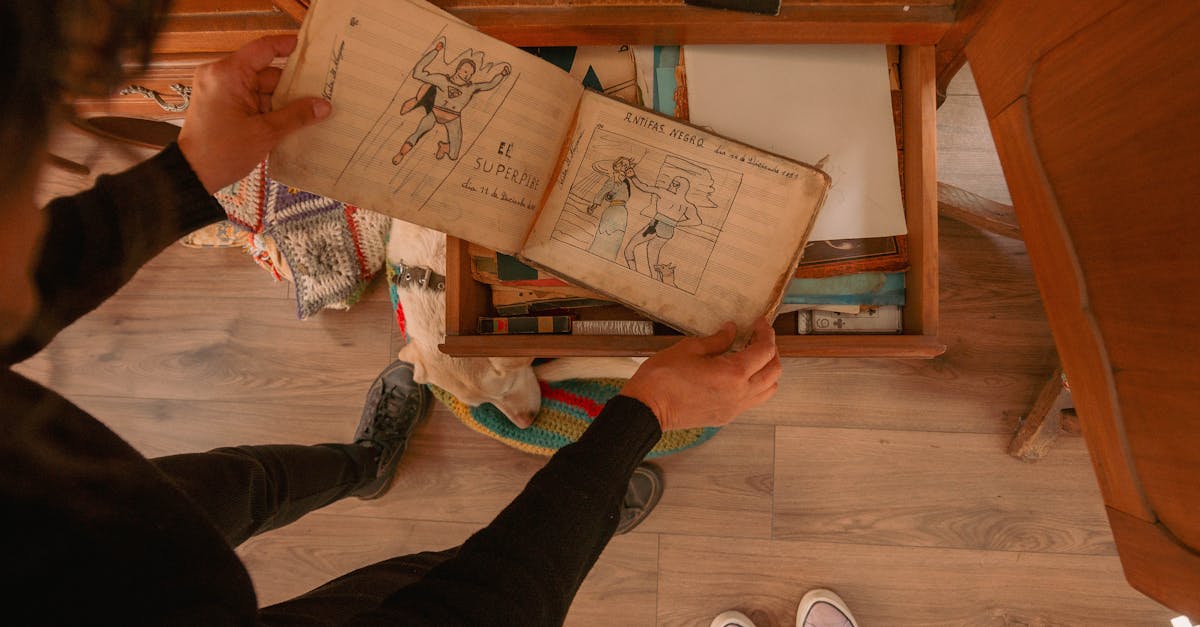
A resident in Dumfries, Scotland uncovered a remarkable collection of historical artifacts from the 1940s while renovating the attic of her newly purchased flat. The discovery, hidden beneath the floorboards, offers a unique glimpse into domestic life during Britain's wartime period and raises questions about the previous inhabitants.
CultureKirsty Geddes made an extraordinary find when she began work on her new flat in Dumfries, Scotland. While removing floorboards in the attic, she discovered a collection of artifacts dating back to the 1940s-a treasure trove of historical items that had remained untouched for over eight decades.
The discovery provides a fascinating window into the daily lives of people living in Scotland during the World War II era and its immediate aftermath. Hidden artifacts from this period are increasingly rare, as most homes have been extensively renovated since the 1940s, making such finds exceptionally valuable to historians and collectors interested in wartime Britain.
The items recovered from beneath the floorboards tell stories of the previous occupants and their experiences during one of Britain's most significant historical periods. Such discoveries often contain personal effects, documents, or household items that reveal much about domestic conditions, rationing, and the general lifestyle of ordinary people during wartime and the post-war reconstruction period.
This finding highlights how renovation projects can unexpectedly transform into archaeological opportunities, particularly in older buildings like those found throughout Scotland. The artifacts serve as tangible connections to the past and contribute to our understanding of how Scottish communities lived through and recovered from the Second World War.
Cases like Geddes' discovery underscore the importance of careful restoration work and the potential historical significance lying dormant in homes across Britain. Museums and historical societies often seek such artifacts to preserve local history and provide educational resources for future generations interested in mid-twentieth century British life.
Open in app →