Hospital waiting rooms pose deadly risk to cancer patients
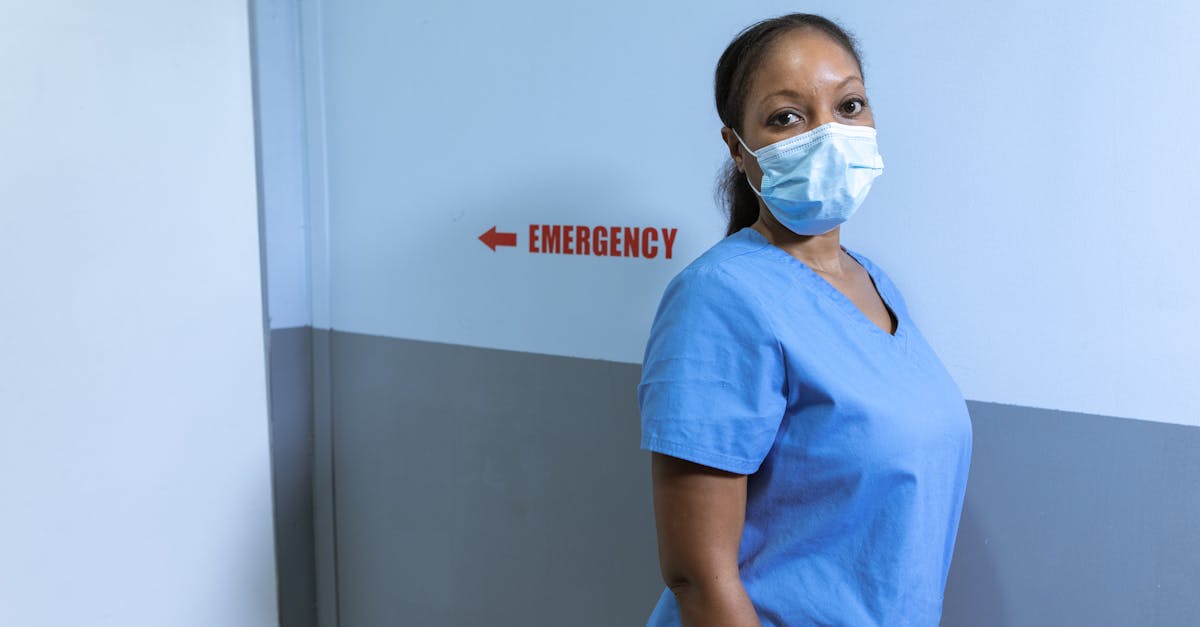
A parent of a terminally ill child describes the dangerous conditions in hospital emergency departments, where vulnerable patients with cancer face exposure to infectious diseases. The situation highlights the systemic challenges within healthcare systems where infection control measures remain inadequate for immunocompromised individuals.
OpinionRebecca Quayle, the parent of a child living with terminal cancer, has raised serious concerns about the safety protocols in hospital accident and emergency departments. According to her account, waiting areas expose severely immunocompromised patients to individuals presenting with contagious illnesses, creating life-threatening situations for those whose weakened immune systems cannot fight off even minor infections.
The specific scenario described involves waiting in A&E alongside people actively coughing and undergoing COVID-19 testing, a situation that transforms what should be a healing environment into a potential hazard zone. For a child already battling terminal cancer, the risk posed by casual viral exposure could prove catastrophic, turning routine hospital visits into experiences that feel life-threatening rather than therapeutic.
This situation underscores a critical gap in healthcare infrastructure and hospital management practices. Adequate separation of immunocompromised patients from those with active infections requires dedicated spaces, improved ventilation systems, and rigorous triage protocols that many facilities currently lack. The emotional toll on families like Quayle's-living with constant anxiety that a simple cold could trigger a medical crisis-represents a hidden cost of underfunded or poorly organized healthcare systems.
The broader implication extends beyond individual cases. Cancer treatment centers and emergency departments must prioritize protective measures for their most vulnerable patients, ensuring that seeking medical care does not inadvertently increase mortal danger. This requires systemic changes including infection control redesign, separate waiting areas for at-risk populations, and clear protocols that prevent cross-contamination between different patient groups.
Quayle's testimony serves as a powerful reminder that healthcare quality cannot be measured solely by treatment capabilities. The entire patient experience, from arrival through discharge, must be designed with consideration for those whose bodies are least capable of withstanding secondary infections.
Open in app →