How Cities Can Issue Traffic Tickets to Autonomous Vehicles
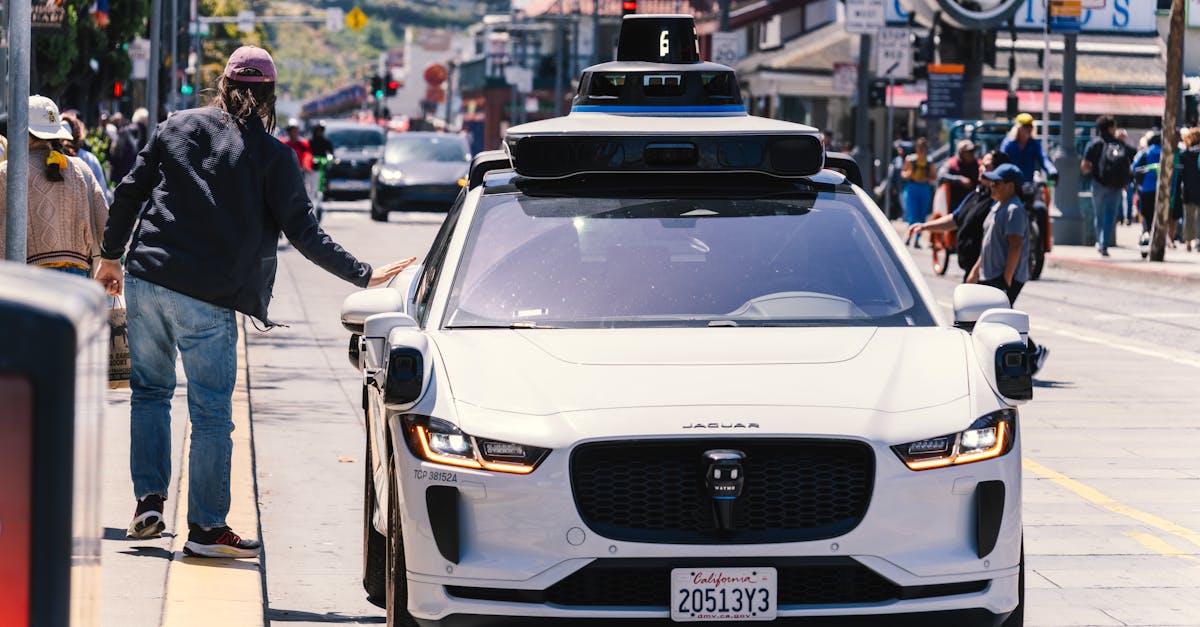
As robotaxis become increasingly common on city streets, law enforcement agencies face a novel challenge: how to issue traffic citations to vehicles without human drivers. The question raises complex legal and procedural questions that municipalities worldwide are beginning to address.
TechnologyThe rapid deployment of autonomous vehicles in urban environments has created an unexpected regulatory gap. When a robotaxi commits a traffic violation-running a red light, speeding, or parking illegally-traditional enforcement methods don't apply. Police officers cannot simply pull over a vehicle and speak with the driver, nor can they issue a citation to someone who isn't present.
Cities across the globe are scrambling to develop new frameworks for ticketing autonomous vehicles. The challenge requires coordination between traffic enforcement agencies, robotaxi operators, and legal authorities. Some jurisdictions are exploring digital citation systems that would automatically register violations to the registered owner or operating company of the vehicle, similar to how red-light camera citations work today.
Robotaxi companies operating in cities like San Francisco, Phoenix, and Las Vegas are already grappling with these scenarios. The violations themselves are recorded by municipal traffic cameras or traffic enforcement systems, which then must identify the autonomous vehicle's operator and route the citation accordingly. This approach shifts liability considerations, as the question arises whether the operating company bears responsibility for the vehicle's actions or whether blame falls on the AI system's programming and the manufacturer.
Legal experts suggest that standardized protocols will eventually emerge, potentially requiring robotaxi operators to register their vehicles similarly to traditional taxi services and maintain liability insurance. Some propose that autonomous vehicles could be equipped with digital systems that automatically receive and log citations, creating a permanent record for compliance and safety monitoring. These solutions aim to ensure that self-driving vehicles operate under the same traffic rules as human-driven cars while acknowledging the unique enforcement challenges they present.
As autonomous vehicle deployment expands, regulatory bodies will need to establish clear guidelines distinguishing between technical failures, software errors, and deliberate violations, ensuring that traffic enforcement remains fair and effective for all road users.
Open in app →