How Putin Became an Image Master: From KGB Agent to Wartime Leader
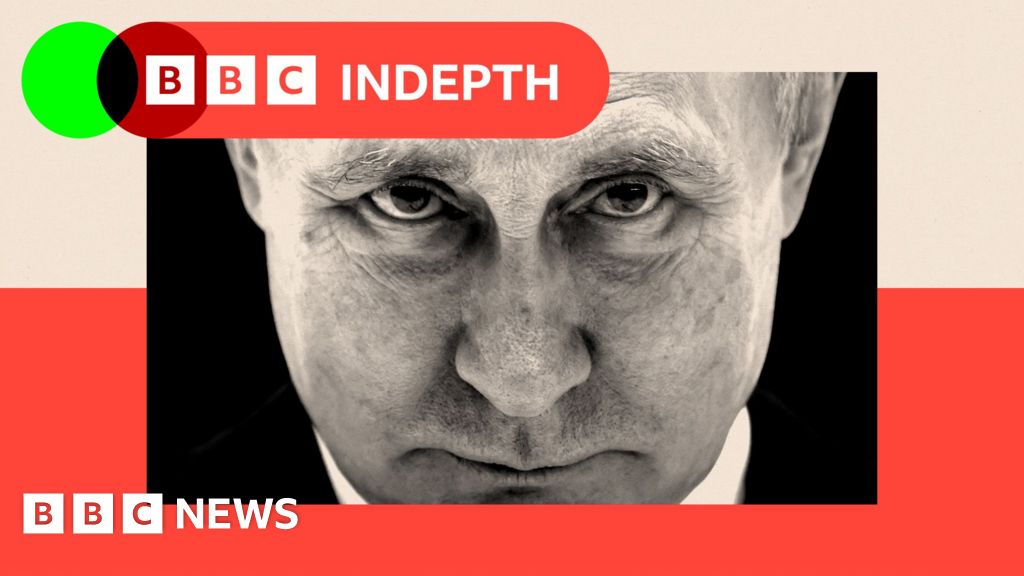
Vladimir Putin has repeatedly reinvented his public image over decades—from a mysterious KGB agent to today's wartime state leader. The article examines how the Russian president has consistently redesigned his image.
PoliticsVladimir Putin is one of the world's most recognizable political figures, whose reputation has undergone several drastic transformations from his first public steps to Russia's military aggression in Ukraine today.
From KGB shadows to the Kremlin throne
Putin's rise began under a cloak of secrecy and silence—a former KGB officer about whom almost nothing was known suddenly moved into the country's highest power position in the late 1990s. This mystique was his first image strategy: speak little, be unpredictable, leave the public and the outside world with the impression of a controlling and strong leader.
Soon after seizing power, Putin began presenting himself as a masculine and physically strong leader—images of judo throws, bare-chested horseback riding, and diving shaped him as a man and a hero. This was no accident: Kremlin media strategists worked tirelessly to create a narrative of a strong leader who could set Russia back on its feet after the collapse of the Soviet Union.
National saviour and anti-West figure
Over the years, a new layer was added to Putin's image—he positioned himself as a foe of Western liberalism and a defender of traditional values and a symbol of Russian nationalism. This was especially pronounced after the 2014 annexation of Crimea, which temporarily brought him record-high domestic support.
With the start of the full-scale invasion of Ukraine in 2022, Putin's propaganda shifted into wartime mode—he was to become a maker of historic decisions, a restorer of the Russian empire. But this very step has irreparably damaged his international reputation, turning him into an aggressor and a war criminal in the eyes of much of the world.
Image as an instrument of power
Putin's case clearly illustrates how modern autocracy relies largely on narrative control. Each shift in his image has had a clear purpose: to secure domestic support, deter foreign adversaries, and create a historical legacy for himself. The question of what legacy that will actually be remains dependent on the conflict he himself unleashed.
Open in app →