How to tell if food at the market stall is truly local
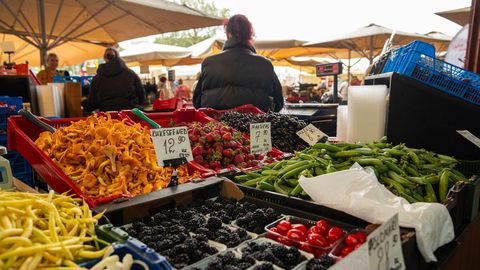
Can you tell whether a carrot, potato or cabbage is locally grown just by looking at it? Increasingly, the answer is no, not even traders, officials or specialists trust appearance alone as a reliable indicator of origin. Honest labelling, transparent supply chains and trust in producers have become the real markers of local food.
EstoniaWalking through an Estonian market stall, most shoppers instinctively reach for what looks freshest and most local. But appearances, it turns out, can be deeply misleading, and even seasoned professionals are no longer willing to rely on them.
Can you trust your eyes?
Potatoes, carrots and cabbages grown hundreds of kilometres away can look identical to those harvested from a nearby Estonian farm. Traders, government officials and food specialists alike have acknowledged that visual inspection is no longer a dependable way to determine where produce actually comes from. The shape, colour and texture of vegetables offer few reliable clues about their country of origin.
Labels and supply chains matter more than ever
As a result, honest labelling and transparent supply chains have become increasingly important. Consumers who want to buy genuinely local food are advised to look beyond the produce itself and pay closer attention to origin labels, ask vendors directly, and seek out sellers with verifiable ties to local farms.
The shift reflects a broader challenge facing food retail across Estonia and Europe: as global supply chains become more complex, the gap between what food looks like and where it actually comes from keeps widening. Seasonal produce from southern Europe or further afield routinely appears on market counters alongside domestically grown equivalents.
Trust in producers is key
Ultimately, experts suggest that the most reliable guarantee of local origin is not appearance but trust, in the farmers, distributors and retailers who stand behind what they sell. Building direct relationships with producers, whether through farm shops, community-supported agriculture schemes or well-established market traders, remains the surest way for Estonian consumers to know exactly what is on their plate.
Open in app →