How Trump Accelerated the EU's Push for Technological Independence
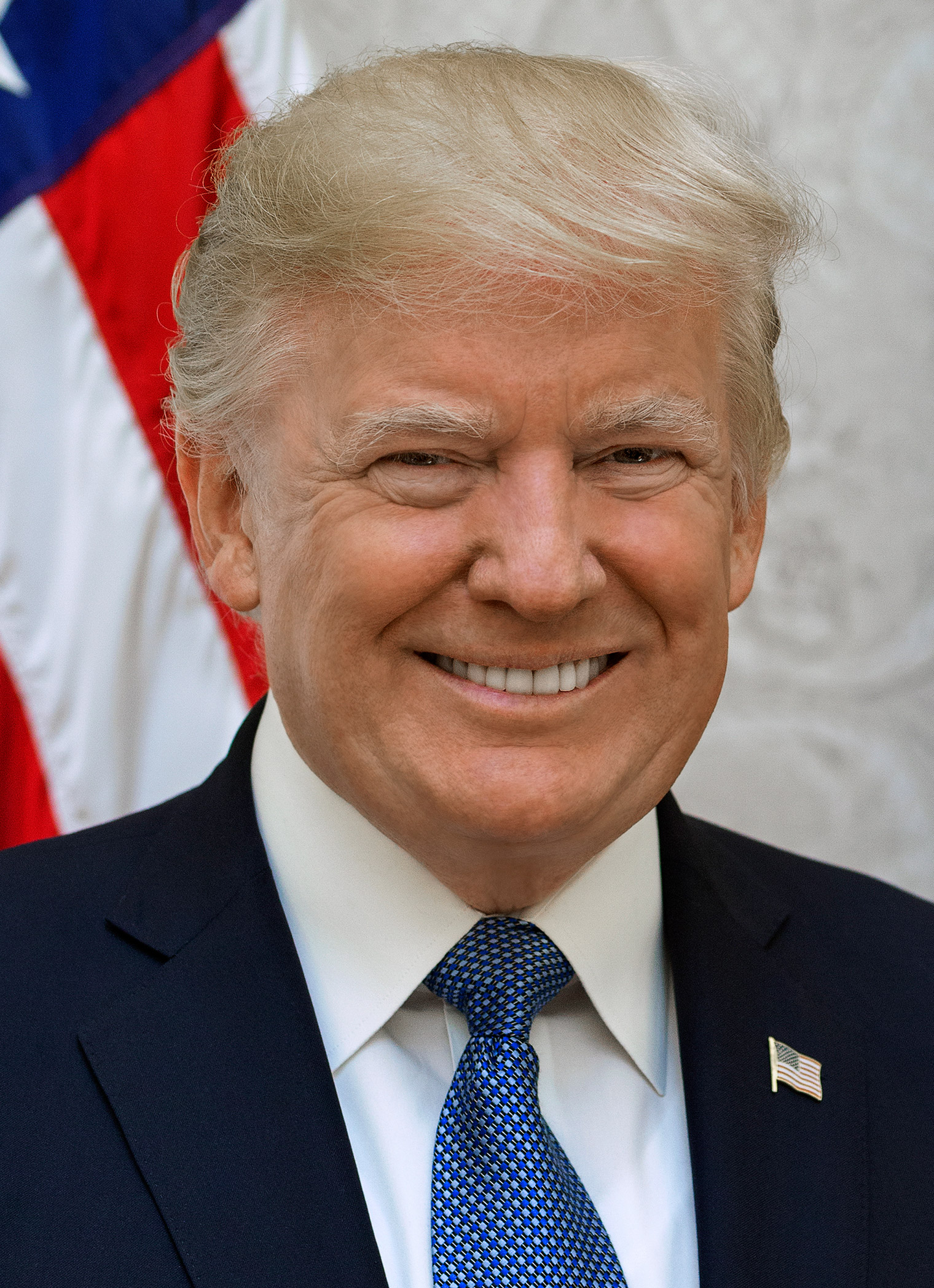
US President Donald Trump's policy of using European dependence on American technology firms as political leverage has shifted the debate in Brussels. The European Union has begun more actively seeking ways to reduce its reliance on US technology companies. This has given fresh momentum to the EU's digital autonomy agenda.
PoliticsThe European Union's debate on technological independence has gained new urgency thanks to Donald Trump's administration's policies, which have starkly highlighted Europe's vulnerability to major American technology companies. The tone of conversations in Brussels has shifted — the question is no longer merely about competitiveness, but directly about security and strategic autonomy.
Dependence becomes a political weapon
Trump's administration has made clear that Europe's reliance on American cloud services, software and digital infrastructure may be used as a tool for political pressure. This has prompted EU officials and member state governments to reassess their approach to digital sovereignty and accelerated discussions about developing European alternatives.
Europe's dependence on US technology giants — including Amazon Web Services, Microsoft Azure and Google Cloud — is a topic that Brussels has debated for years. But Trump's second term has made this question far more pressing. Previous academic discussion has been replaced by concrete policy proposals and investment plans.
The EU seeks European alternatives
The European Commission has increased pressure to develop its own digital infrastructure and support the growth of European technology companies. This encompasses issues in cloud computing, artificial intelligence and semiconductors. The aim is to reduce dependence on third countries in strategically vital sectors.
Developing European digital independence is neither an inexpensive nor a swift process. Critics warn that an approach that is too rapid and protectionist may damage innovation and raise costs for both businesses and consumers. Meanwhile, proponents stress that the current situation presents a real risk that cannot be ignored indefinitely.
Estonia's perspective
Estonia, as a digital society leader in Europe, is watching this development with particular attention. Estonia's e-government model relies in part on international technological solutions, but the country also has a strong interest in digital sovereignty. Changes at the EU level directly affect Estonia's future plans in digital statehood and data governance.
Open in app →