HPV vaccine brings cervical cancer deaths in England to zero
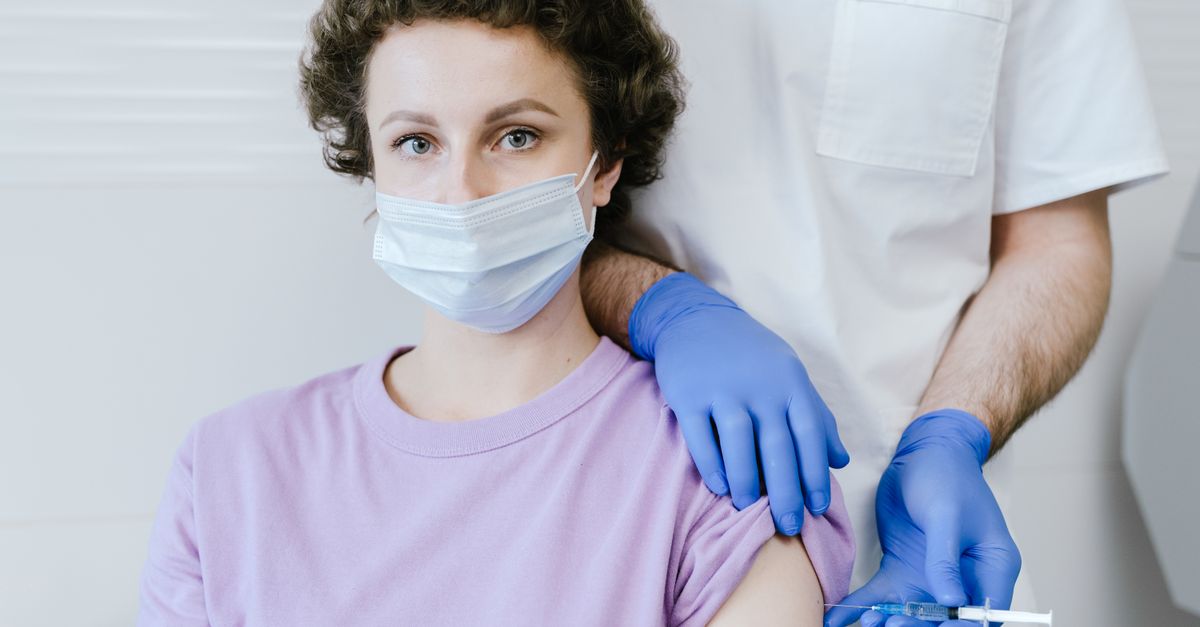
England recorded zero deaths from cervical cancer among women aged 20-24 between 2020-2024, which researchers attribute to the HPV vaccination programme launched in 2008. A Queen Mary University study shows that girls vaccinated in their teens have an almost negligible risk of dying from cervical cancer before age 30. However, scientists warn that post-pandemic vaccine hesitancy threatens to reverse these achievements.
CultureEngland has not recorded a single death from cervical cancer in women aged 20-24 over the past five years. This is the main finding of a study published in the medical journal The Lancet, with authors directly linking the result to the national HPV vaccination programme. The achievement marks a significant public health breakthrough, but scientists warn that it could prove short-lived.
Reaching zero
Researchers from Queen Mary University analysed England's national mortality and vaccination data. According to their findings, no woman aged 20-24 in the country died from cervical cancer between 2020-2024. Based on historical mortality patterns, 23 young women in this age group should have died.
Since 2008, England's healthcare workers have offered HPV vaccination to 12-13-year-olds, with approximately 90 per cent of this group vaccinated before the pandemic. Scientists compared health data from women aged 20-34 and found that girls who received the protective vaccination in their teens have virtually zero risk of dying from cervical cancer before age 30. Vaccination is estimated to have prevented at least 200 cancer deaths in England by the end of last year.
Vaccine works more broadly than expected
Earlier concerns that the HPV vaccine only prevents cancers that doctors would have detected through screening were not supported by the new study. The data show the opposite: the vaccine also prevented cervical cancers that screening would have missed and would have been fatal.
Mortality fell significantly in slightly older age groups as well. Between 2020-2024, cancer deaths among women aged 25-29 declined by 70 per cent. Although vaccination rates in this cohort were lower, ranging from 60-87 per cent, the vaccine still reduced mortality risk substantially.
The HPV vaccine protects against more than just cervical cancer. The same preparation helps prevent cancers of the vulva, vagina, anus, penis, and throat, as well as genital warts. Since 2019, boys in the UK have also been offered the vaccine.
Post-pandemic vaccine hesitancy threatens progress
The World Health Organization has set a goal to bring cervical cancer deaths to zero by 2040. This requires that by 2030, 90 per cent of girls under 15 will be vaccinated, 70 per cent of women will be engaged in screening, and 90 per cent of those diagnosed will be treated.
However, the global situation is concerning, with vaccination coverage remaining low and cervical cancer incidence continuing to rise. Even in England, teenage vaccination coverage has dropped sharply since the coronavirus pandemic: the national rate has fallen to 75 per cent, with only 60 per cent in London of the target group.
The study authors warn that if vaccination coverage does not rise quickly to pre-pandemic levels, the decline in mortality will soon reverse. According to their calculations, an additional 15 to 25 young women could die each year even now.
Open in app →