Ian McKellen's "Christopherid" Is Deeper Than a Con-Artist Comedy
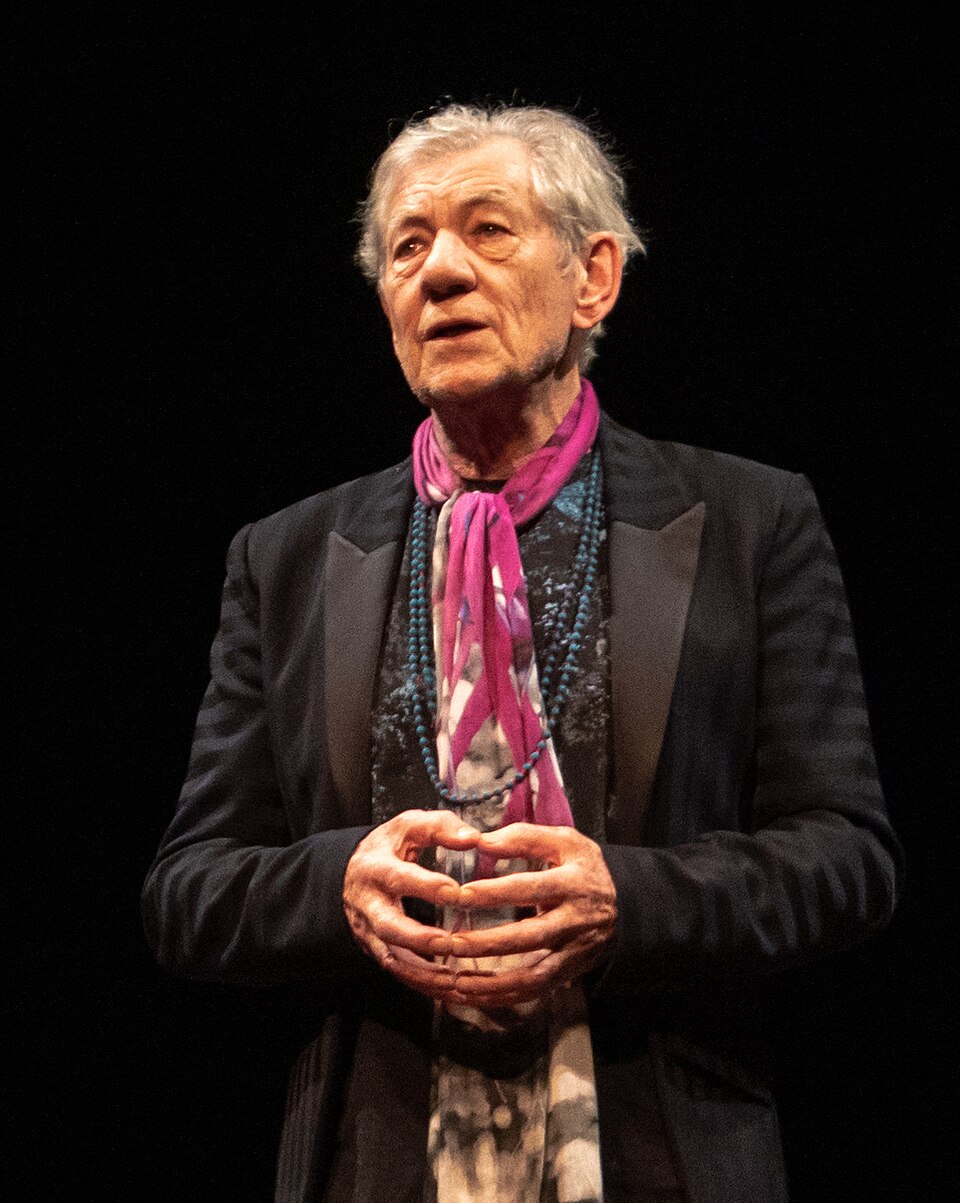
In early June, European cinemas released Steven Soderbergh's new film "Christopherid," in which 87-year-old Sir Ian McKellen plays an eccentric ageing artistic genius. According to critic Anton Dolin, the film is both a con-artist comedy and a philosophical exploration of the nature of creativity. Through his role, McKellen has created a kind of lifetime monument to himself.
CultureIn early June, European cinemas released British director Steven Soderbergh's latest film "Christopherid," a multi-layered story that begins as a con-artist comedy but gradually grows into a philosophical discussion about the nature of art and the meaning of creativity.
McKellen as a Lifetime Monument
At the heart of the film is 87-year-old Sir Ian McKellen, who plays Julian Sklar, an eccentric painter who abandoned his public career twenty years ago and has no intention of ever showing his mysterious unfinished works, known as the "Christopherids," to the public. According to critic Anton Dolin, McKellen has created with this role a kind of lifetime monument, "a portrait that is practically impossible to surpass, so much has been poured into it."
Beside McKellen stands Michaela Coel from the series "I May Destroy You," who plays Lori, a young artist who has abandoned her dreams and now sells noodles from a street cart. Sklar's heirs, his brother and sister Barnaby and Sally, lure Lori into a con scheme: she is to enter the maestro's home as an assistant, find the legendary "Christopherids," and finish painting them so they can later be sold for millions.
The Con Scheme Transforms into Art Philosophy
Lori doesn't hesitate for long, but as you watch the film, it becomes clear that she is not driven by money; she is drawn by this unique opportunity to access a great master's workshop and test her own talent. It is precisely in this shift-the con scheme as self-discovery-that the true heart of the film lies.
The screenplay was written by Ed Solomon ("Bill & Ted," "Men in Black," "Now You See Me"), and directed by Soderbergh, whose career has encompassed both uncompromising art projects ("Sex, Lies, and Videotape," "Che") and commercially successful genre films (the Ocean's cycle, "Magic Mike"). For this reason, viewers expect a surprise, and they get one, but not as a plot twist-rather as an intellectual one: a fun con story becomes a serious discussion about what art is and why it matters at all.
Two Lonely Souls in the Art World
The most valuable part of the film is the dialogue between Lori and Sklar, which resembles Socratic conversations. They are not teacher and student, not genius and forger; they are two deeply lonely people who can only communicate with the outside world through art. Soderbergh takes no position on which art is "correct"-in the final exhibition, classical paintings are presented on equal footing with video installations.
According to Dolin, "Christopherid" is McKellen's greatest role, one that creates a collective memory of 20th-century artistic geniuses, such as the recently deceased British painter David Hockney, whom the fictional Sklar closely resembles. McKellen will appear on screen again in December, when he plays the mutant Magneto in the new "Avengers," but "Christopherid" is the role with which, in Dolin's view, he has carved himself into cinema history.
Open in app →