Iran Signals No Surrender in US Standoff, Says BBC
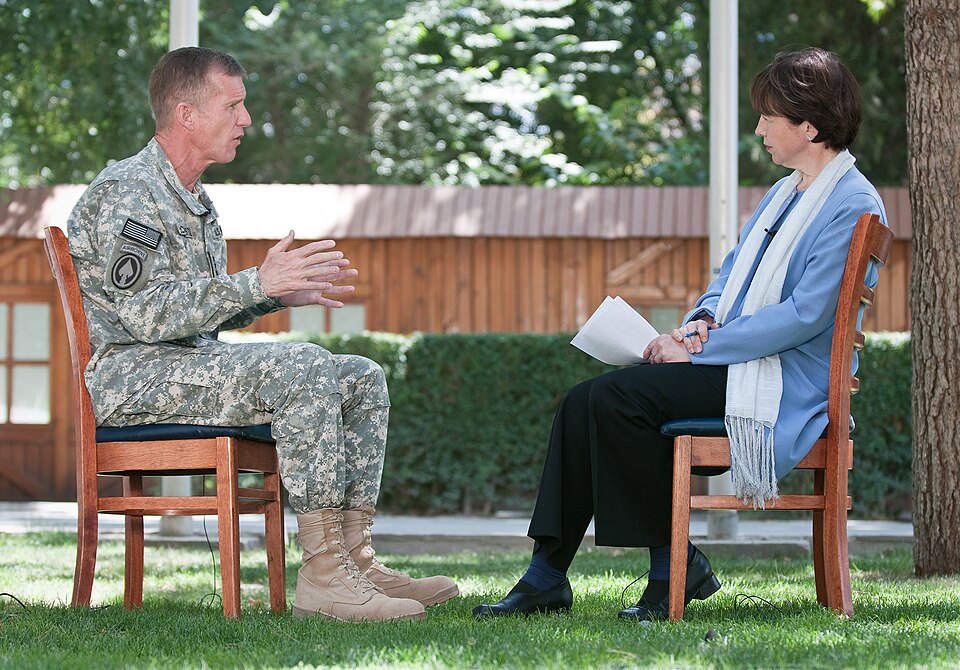
BBC correspondent Lyse Doucet reports from Iran that Tehran maintains a firm stance in its ongoing tensions with the United States, with Iranian leaders unwilling to negotiate on Washington's terms despite public desire for conflict resolution.
PoliticsBBC journalist Lyse Doucet has provided fresh insights into Iran's position regarding its long-standing adversarial relationship with the United States, suggesting that Tehran does not perceive itself as defeated in the geopolitical struggle between the two nations. Speaking from Iran, Doucet indicates that while ordinary Iranians express a genuine appetite for ending the decades-long hostility with Washington, the country's leadership maintains a hardened negotiating stance.
According to Doucet's reporting, the Iranian government remains unwilling to accept a compromise agreement based on American terms. This resistance reflects the deep ideological divide and competing strategic interests that have defined US-Iran relations since the 1979 Iranian Revolution. The disconnect between public sentiment and governmental position highlights the complexity of resolving the bilateral dispute.
The assessment suggests that despite economic pressures and international isolation resulting from years of sanctions, Iran's leadership continues to view capitulation to American demands as politically untenable. Doucet's observations indicate that Tehran views continued resistance as essential to maintaining its regional influence and domestic legitimacy, even as the broader Iranian population grows weary of conflict.
The ongoing impasse between the two nations continues to shape Middle Eastern geopolitics, with implications extending beyond bilateral relations to regional security dynamics and global energy markets. Iran's refusal to negotiate on Washington's terms suggests that any diplomatic breakthrough would require significant shifts in either American policy expectations or Iranian domestic politics.
Open in app →