Iran Tensions Cast Shadow Over UK Political Stability
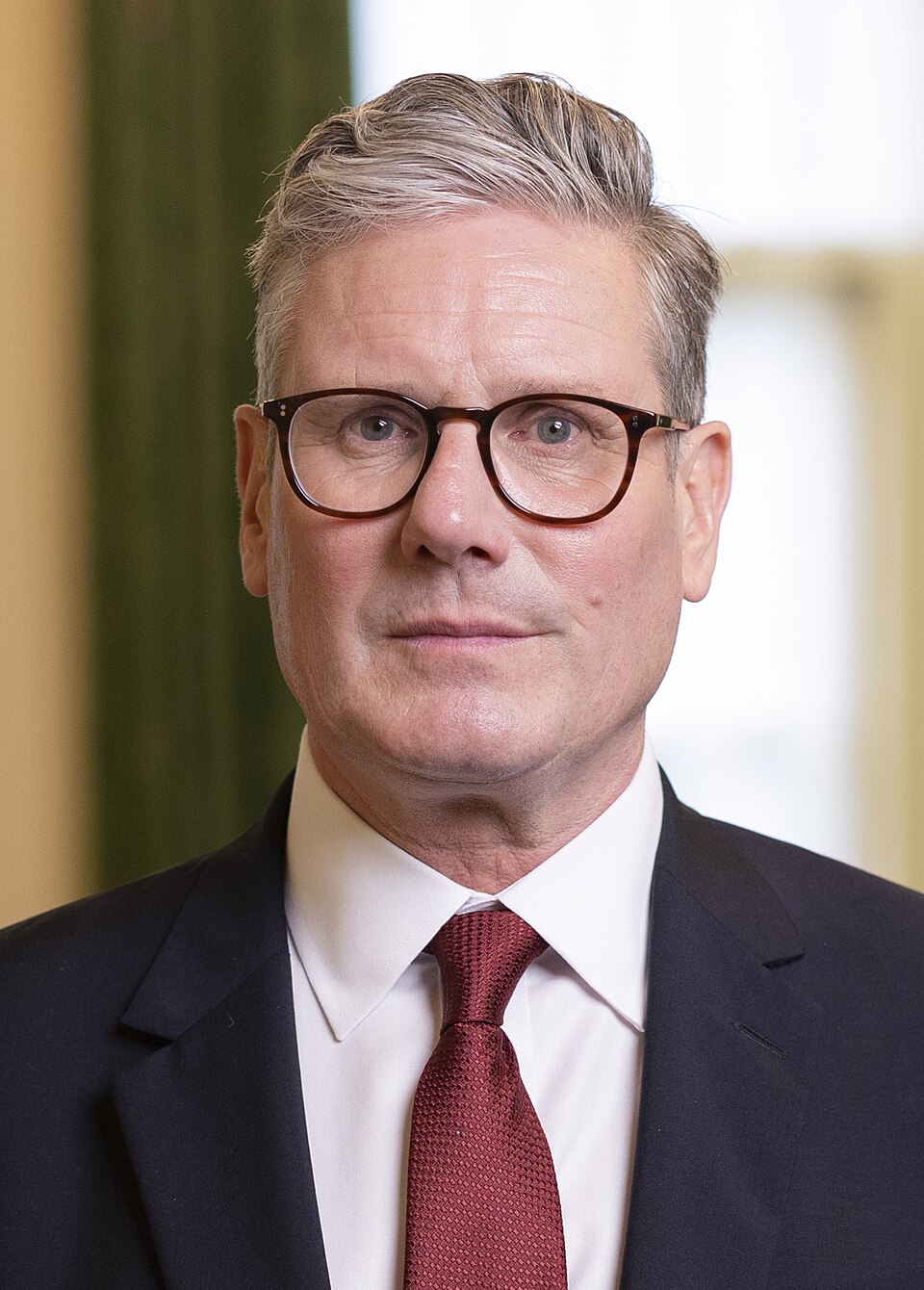
Escalating tensions in Iran are creating economic uncertainty that could impact British Prime Minister Keir Starmer's political position. The Middle East conflict is raising concerns about potential leadership challenges within his government as financial markets react to regional instability.
PoliticsGeopolitical tensions centered on Iran are generating significant economic uncertainty across global markets, with potential implications for political leadership in the United Kingdom. Prime Minister Keir Starmer faces mounting pressure as the financial impacts of Middle East instability threaten to destabilize his government's position, creating an environment where internal party challenges could emerge.
The connection between international conflicts and domestic political stability has become increasingly apparent in recent weeks. Economic uncertainty stemming from Iran-related tensions is affecting investor confidence and market performance, which in turn creates political vulnerability for sitting governments. This dynamic is particularly relevant in the UK, where Starmer's administration must balance managing economic concerns while maintaining party unity.
The timing of these external pressures comes as Starmer's leadership faces normal parliamentary scrutiny. Internal party dynamics can shift quickly when economic conditions deteriorate, potentially emboldening those who might challenge established leadership. The combination of external geopolitical risk and domestic political tension creates a complex environment for the British Prime Minister to navigate.
Financial markets remain sensitive to any escalation in Iran-related developments, with commodity prices and currency fluctuations reflecting global uncertainty. This economic backdrop could influence internal discussions within the Labour Party about leadership direction and policy priorities, particularly if voters begin to attribute economic difficulties to government management.
Open in app →