Iran's Ceasefire Skepticism: Why Locals Doubt the Peace
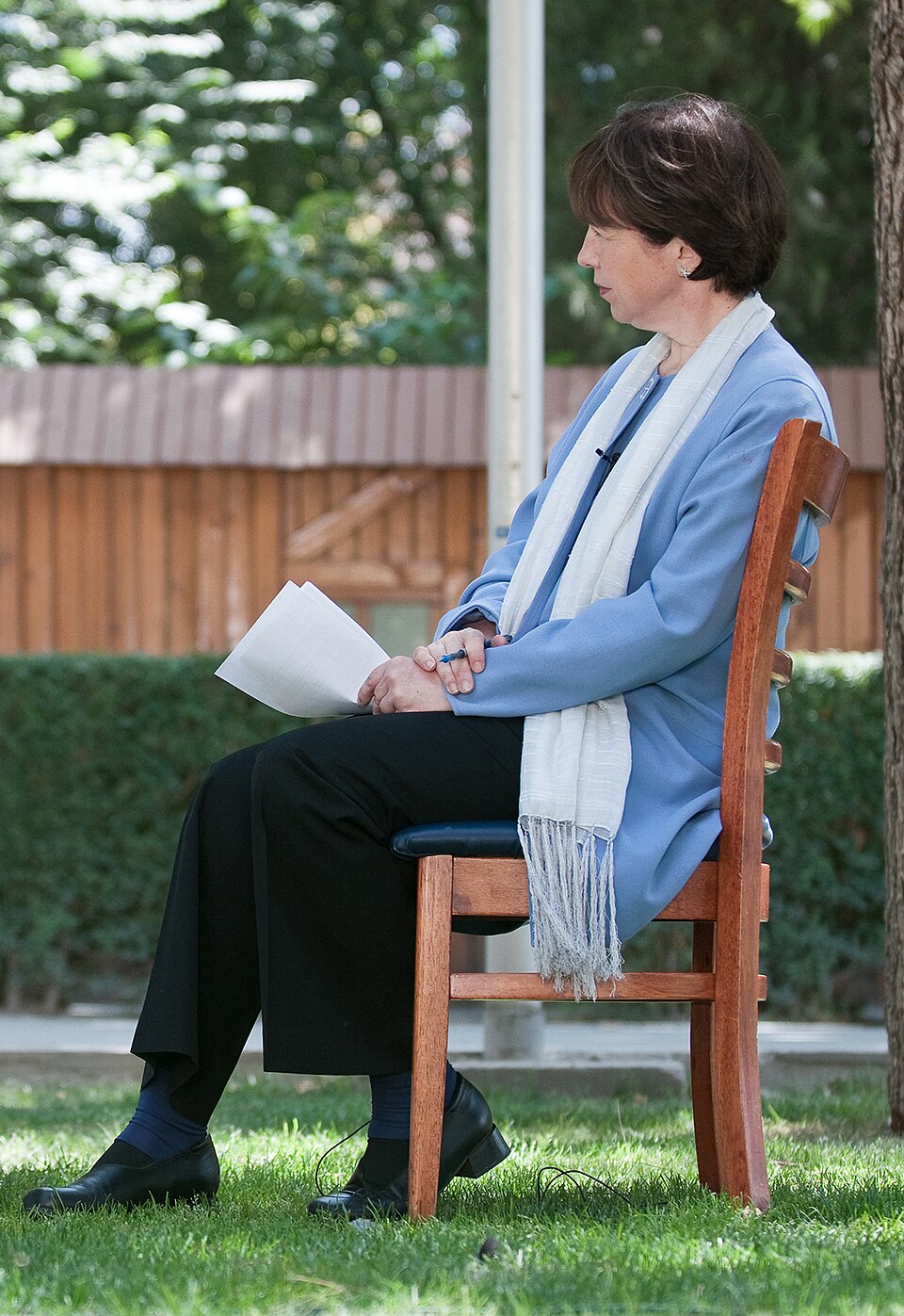
BBC correspondent Lyse Doucet reports from Tehran on widespread Iranian public skepticism about the durability of a recent truce amid ongoing regional tensions. Most Iranians interviewed express doubts that the ceasefire will hold, citing historical precedent and the complex geopolitical situation surrounding the strategically critical Strait of Hormuz.
OpinionFrom the streets of Tehran, BBC correspondent Lyse Doucet captures a sobering assessment of Iran's prospects for lasting peace. Despite recent diplomatic efforts that have resulted in a truce between Iran and regional adversaries, ordinary Iranians appear deeply cynical about whether the ceasefire will endure beyond the immediate term.
The skepticism reflects decades of tension and multiple previous attempts at de-escalation that ultimately collapsed. Citizens interviewed by Doucet point to the fragile nature of agreements in a region where military posturing and economic pressures frequently override diplomatic commitments. The lack of confidence extends across various segments of Iranian society, from merchants concerned about maritime trade disruptions to analysts who view the truce as a temporary respite rather than a fundamental shift in regional dynamics.
Central to this pessimism is the contested Strait of Hormuz, one of the world's most critical maritime chokepoints. Control and access through these waters remain a source of intense dispute, with Iran's actions and international responses creating constant friction. The geopolitical dimensions-involving the United States, Gulf Arab states, and other international actors-make any durable settlement exceptionally difficult to achieve.
Doucet's reporting underscores how diplomatic agreements on paper often fail to translate into genuine behavioral change when the underlying strategic interests of multiple parties remain fundamentally opposed. For average Iranians, previous cycles of tension and temporary truces have created a fatalistic outlook about the region's capacity to achieve meaningful, long-term stability.
Open in app →