Israeli Demolitions Devastate South Lebanon Towns
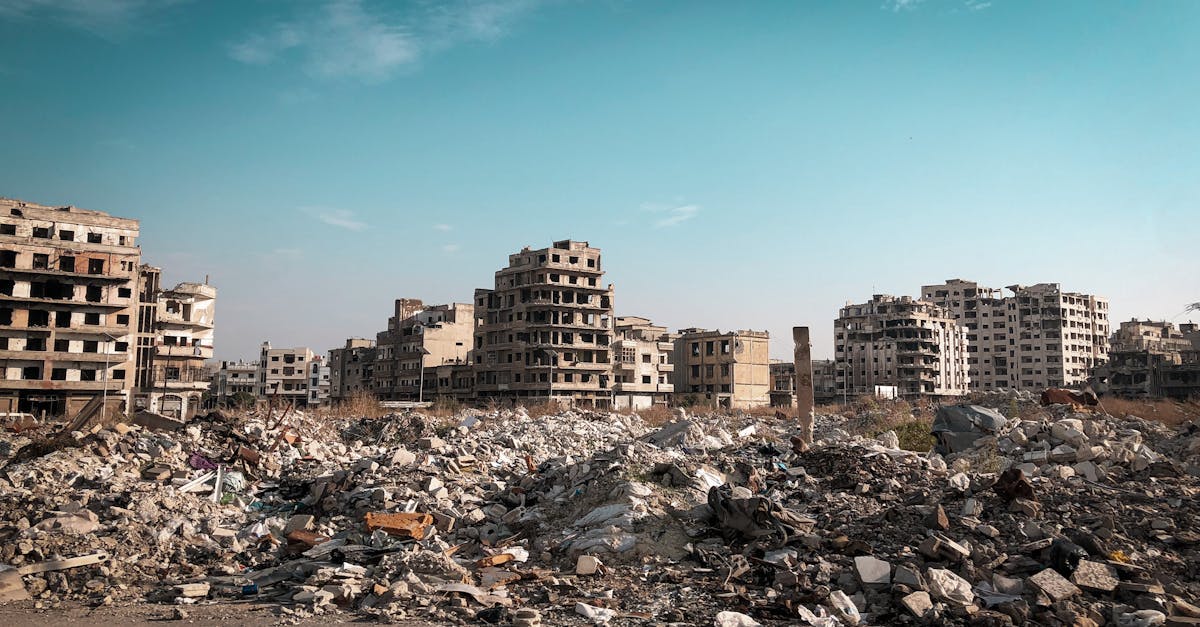
Satellite imagery analysis reveals that over 1,400 buildings have been destroyed in southern Lebanon since March 2, with extensive demolitions leveling entire towns. The destruction marks a significant escalation in the ongoing conflict affecting Lebanese civilians and infrastructure.
PoliticsSatellite image analysis conducted by independent verification experts has documented widespread destruction across southern Lebanon, with verified reports showing the demolition of more than 1,400 structures since the beginning of March. The satellite data reveals systematic destruction affecting multiple towns and villages in the region, with entire neighborhoods reduced to rubble.
The scale of demolition suggests a major escalation in military operations in southern Lebanon. Verification teams examined high-resolution satellite imagery to confirm the extent of building destruction, comparing before-and-after images to identify structures that have been completely leveled. The findings indicate that the destruction extends across numerous civilian areas, not limited to isolated military targets.
Southern Lebanon has experienced prolonged conflict, with the destruction of civilian infrastructure raising concerns about humanitarian conditions for residents. The demolition of over 1,400 buildings represents significant damage to towns and communities in the region, displacing residents and destroying homes, businesses, and essential services.
International observers and humanitarian organizations have expressed concern about the scale of destruction and its impact on civilian populations. The satellite imagery provides documented evidence of the extent of physical damage, though the full humanitarian consequences continue to unfold. Access to affected areas remains limited, making it difficult to assess the complete scope of civilian impact.
The destruction in southern Lebanon underscores the ongoing tensions affecting the broader Middle Eastern region and raises questions about the long-term stability and reconstruction efforts needed for affected communities.
Open in app →