Japan Relaxes Weapons Export Restrictions in Historic Policy Shift
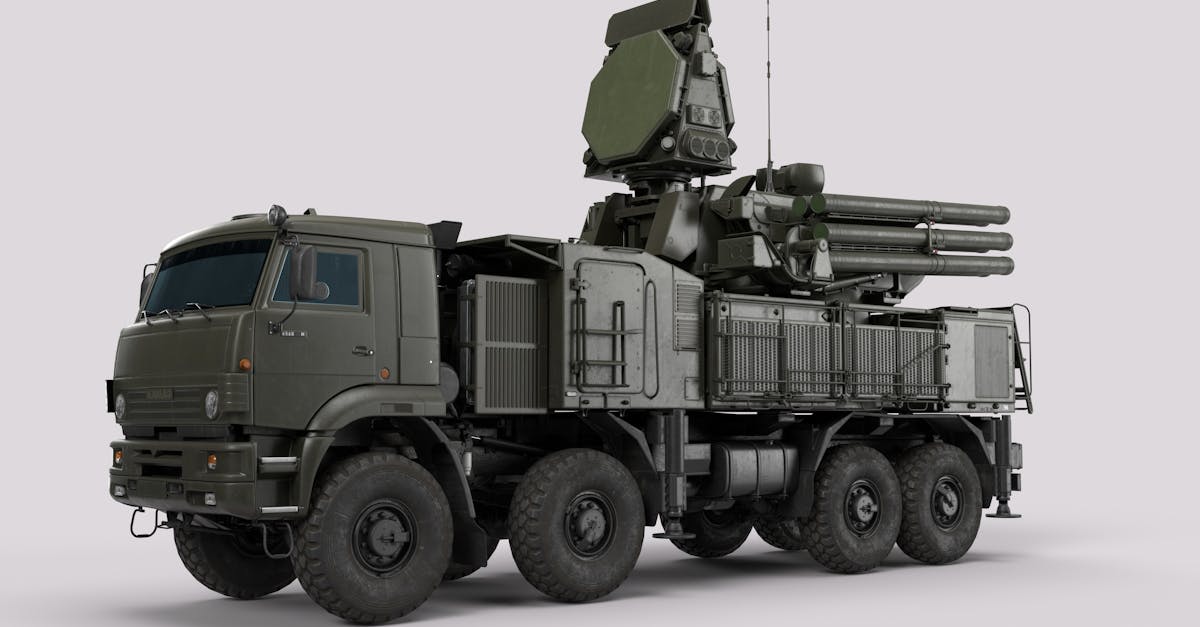
Japan has significantly loosened its arms export regulations, marking a major departure from its pacifist stance following World War II. The policy change now enables Japan to sell military equipment to more than a dozen countries, reflecting shifting geopolitical priorities in the Indo-Pacific region.
PoliticsJapan has fundamentally altered its approach to military exports by relaxing restrictions that have governed weapons sales for nearly eight decades. The decision represents a watershed moment in Japanese defense policy, as the nation moves away from the strict pacifist principles that shaped its post-war constitution and foreign policy framework.
The revised export guidelines now permit Japan to supply military equipment and weapons systems to nations beyond the narrow restrictions previously in place. Government officials indicated that the policy adjustment would allow sales to more than a dozen countries, creating new opportunities for Japanese defense manufacturers to expand their international market presence. This expansion reflects Tokyo's assessment of regional security challenges and the need for greater military cooperation with allied nations.
The policy shift comes amid growing security concerns in Asia, particularly regarding geopolitical tensions in the Indo-Pacific. Japan's previous export controls had severely limited defense cooperation with foreign partners, even close allies. The liberalization signals Japan's intent to play a more active role in regional security partnerships and defense industrial cooperation.
Defense analysts note that this change positions Japan as a potential counterbalance to military expansionism in the region. Japanese defense contractors have long advocated for relaxed export restrictions, arguing they hampered competitiveness relative to other advanced industrial nations. The new framework aims to support allied nations' defense capabilities while generating economic benefits for Japan's defense sector.
The decision carries symbolic weight as Japan's pacifist constitution has served as a defining feature of its national identity for generations. However, policymakers argue that the evolving security environment necessitates more flexible defense arrangements and greater military-industrial cooperation with trusted international partners.
Open in app →