Japanese Green Tea: The Mysterious Elixir That Could Replace Coffee
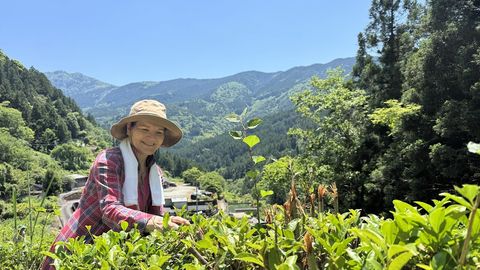
Green tea is an integral part of everyday life in Japan, consumed from morning to evening, offered to guests, and often served complimentary in restaurants. Japanese "green gold" comes in many varieties, each with its own unique flavour and use.
CultureJapan is renowned worldwide for its distinctive tea culture, where green tea is not merely a beverage but part of the daily rhythm of life. It is consumed alongside breakfast, lunch and dinner, offered to guests, and in many restaurants it is served free at the table.
Green tea also has deeper significance in Japanese culture. It is a moment of silence and presence, a pause in the midst of a busy day, whether at home or at the office. The aroma and flavour of tea invite one to slow down for a moment and focus attention.
Diverse Varieties for Every Palate
Japanese green tea is not a uniform phenomenon; varieties differ in growing conditions, processing methods and flavour. Sencha is the most common everyday tea, with a fresh and slightly grassy character. Matcha is green tea ground into a fine powder, used both in traditional ceremonies and in desserts, and in recent years has gained great popularity outside Japan as well.
Gyokuro is grown in shade, which gives it an extraordinarily soft and sweet umami flavour. Hōjicha is roasted green tea, whose aroma and flavour resemble caramel and nuts, ideal for those who prefer a milder drink.
Why Is It Considered an Elixir?
The high life expectancy and good health of the Japanese population are often associated with regular consumption of green tea. The tea contains antioxidants and other compounds considered beneficial to health. For this reason it is called "green gold", a precious beverage that offers both flavour and potential wellness benefits.
Open in app →