Japan's PM Challenges Pacifist Constitution in Major Policy Shift
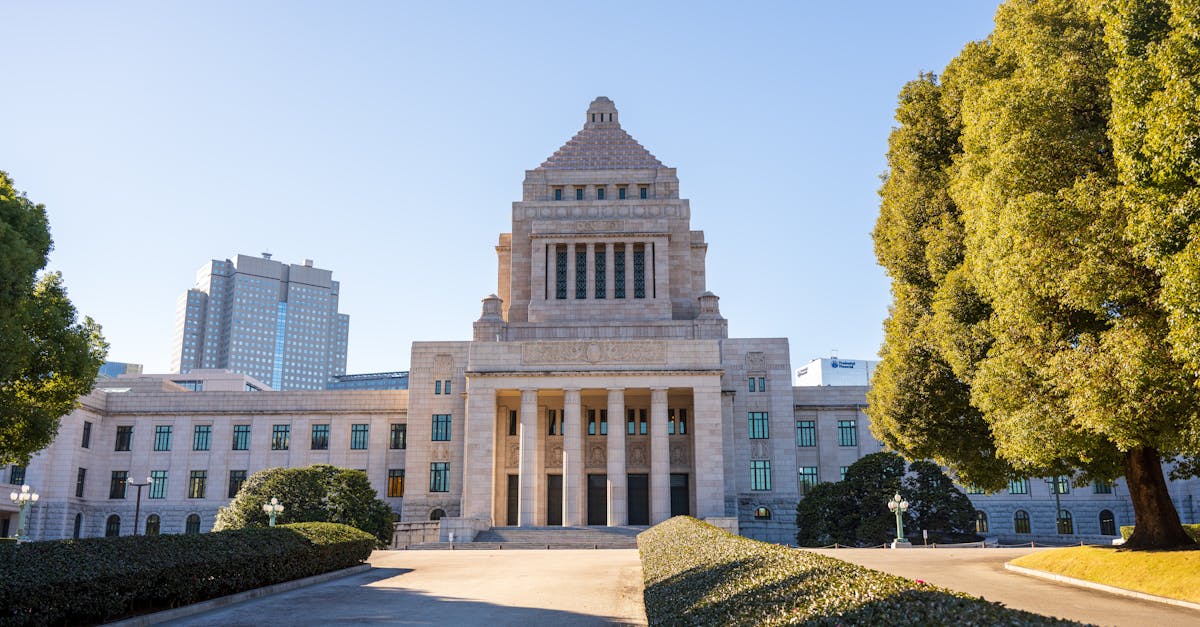
Japan's Prime Minister is advancing controversial plans to revise the country's pacifist constitution, marking a significant departure from decades of post-war policy. The push has sparked considerable debate within Japanese society about the nation's defense posture and military capabilities.
PoliticsJapan's Prime Minister is pursuing ambitious constitutional reforms that would fundamentally alter the country's approach to defense and military matters, a move that contradicts the pacifist principles enshrined in the nation's post-World War II constitution. The initiative represents one of the most substantial challenges to Japan's longstanding security doctrine in recent decades and has ignited heated discussions among lawmakers, experts, and the general public.
The proposed revisions would enable Japan to strengthen its military capacity and take a more assertive role in regional security matters. Current constitutional constraints, specifically Article 9, have historically prevented Japan from maintaining military forces beyond those deemed necessary for self-defense. The Prime Minister's vision seeks to provide greater flexibility in how Japan responds to emerging security challenges in the Indo-Pacific region.
Opposition to the reforms has been vocal and organized. Critics argue that abandoning the pacifist framework would undermine Japan's identity as a peace-focused nation and could escalate regional tensions, particularly given geopolitical sensitivities in East Asia. Supporters, meanwhile, contend that the current constitutional limits are outdated given evolving threats and that Japan requires modernized defense authorities to protect its interests effectively.
The constitutional amendment process in Japan requires substantial parliamentary majorities and potentially public approval through referendum, meaning the path forward for these reforms remains uncertain. The debate reflects broader questions about Japan's place in global security architecture and how the nation should balance its historical commitment to pacifism with contemporary strategic realities.
Open in app →