Jevgrafov: Narva city council majority is paralyzed
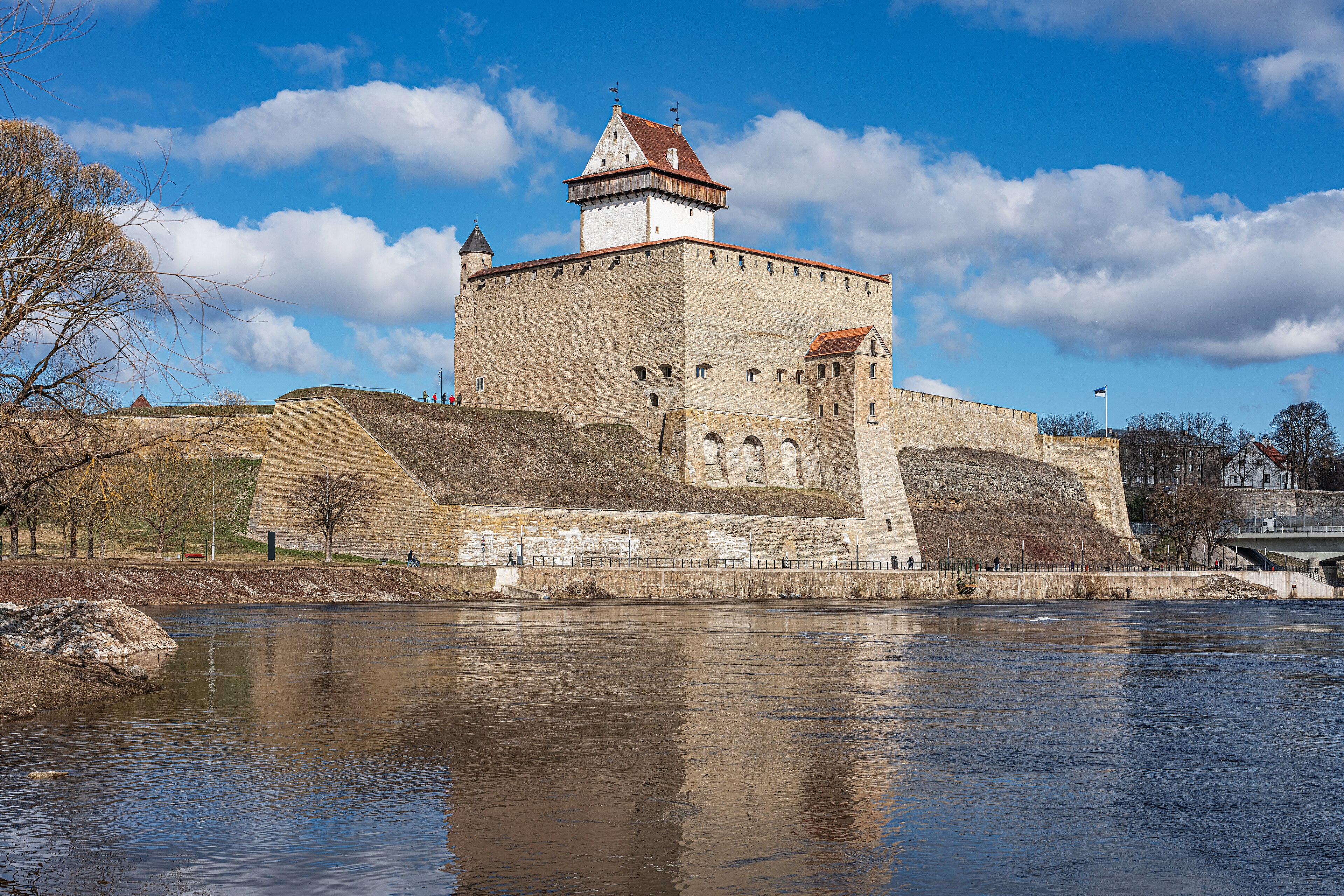
Aleksei Jevgrafov writes that in Narva, the political crisis has become a legal and institutional conflict. The question is whether city governance should follow the will of the democratically elected council majority, or whether it is possible to block the council's work through procedural means.
OpinionCrisis becomes institutional
The political crisis that has persisted in Narva has taken on a new form-it is no longer merely a political confrontation but has evolved into a legal and institutional conflict. At the heart of this conflict lies a fundamental question: should municipal governance be based on the will of the council majority elected by the people, or is it possible to block the democratic process through procedural and administrative maneuvers?
Commentator Aleksei Jevgrafov points out that the Narva city council majority exists, this is clear and undisputed. Yet this majority is unable to exercise its authority to the full extent. The reason is not a lack of political will or a challenge to the popular mandate, but rather various procedural obstacles that are being used to undermine the council's work from within.
Procedure as a weapon
The problem is not new; in democratic systems, procedural rules have always been used both as a tool for work and as an obstacle. However, the Narva case clearly illustrates how administrative methods can become a political weapon, allowing a minority to neutralize the actions of a majority. This calls into question the proper functioning of representative democracy at the municipal level.
Jevgrafov emphasizes that such a situation harms not only Narva's municipal governance in this particular moment but also erodes citizens' trust in local government as an institution more broadly. If elected representatives cannot exercise their mandate, participation in elections becomes meaningless for citizens.
Solution requires fundamental clarity
Resolving the conflict requires a clear understanding of what the constitutional purpose of municipal governance should be. The council is above all a representative body whose work must be subordinate to the will of the majority, of course while respecting the rights of the minority. Procedural rules must support this process, not block it. The current situation in Narva is therefore a precedent that warrants attention for the future of local democracy across Estonia.
Open in app →