Juku-Kalle Raid: Lenin, the Pope and Poland's Road to Military Power
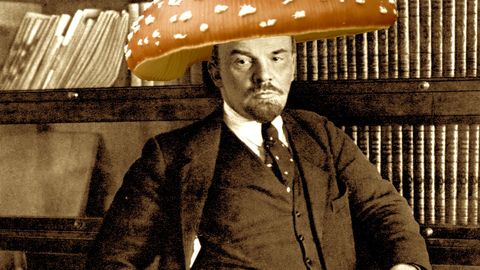
In an opinion article, Juku-Kalle Raid explores how Poland has become a significant military force in today's Europe. The analysis focuses on Pope John Paul II's 1979 visit to Poland, Lenin's connection to Poland and their impact on the collapse of the Eastern Bloc. Raid examines how these historical events have shaped our recent past.
OpinionPoland is one of Europe's most formidable military forces today – a nation that understands the historical context of the Russian threat better than many others. To comprehend this background, however, we must look further back to the pivotal events of the 20th century, writes Juku-Kalle Raid on the ELU25 portal.
The papal visit that changed history
On 3 June 1979, Pope John Paul II stepped onto Polish soil – a man who was himself actually Polish. This visit was far more than a religious event: it shook the Eastern Bloc profoundly and gave powerful impetus to the destruction of communist rule. Millions of Poles gathered in streets and squares, demonstrating that the people had not surrendered to the system.
At the same time, Poland has another, less romantic historical connection: Vladimir Lenin, the ideological father of the Soviet Union, once lived and worked there. These two historical threads – revolutionary communism and the national-religious awakening directed against it – are woven together in Poland's history into a distinctive pattern that explains much about the country's current identity and security policy.
Impact on our recent past
Raid examines how these diverse historical forces – both Lenin's ideological legacy and the papal-inspired national resistance – have shaped what Poland is today: a nation that invests in its military capacity more than any other NATO member proportionally to its GDP, and one that needs no convincing about the seriousness of the Russian threat.
Open in app →