Keir Starmer resigns as UK Prime Minister after 23 months in office
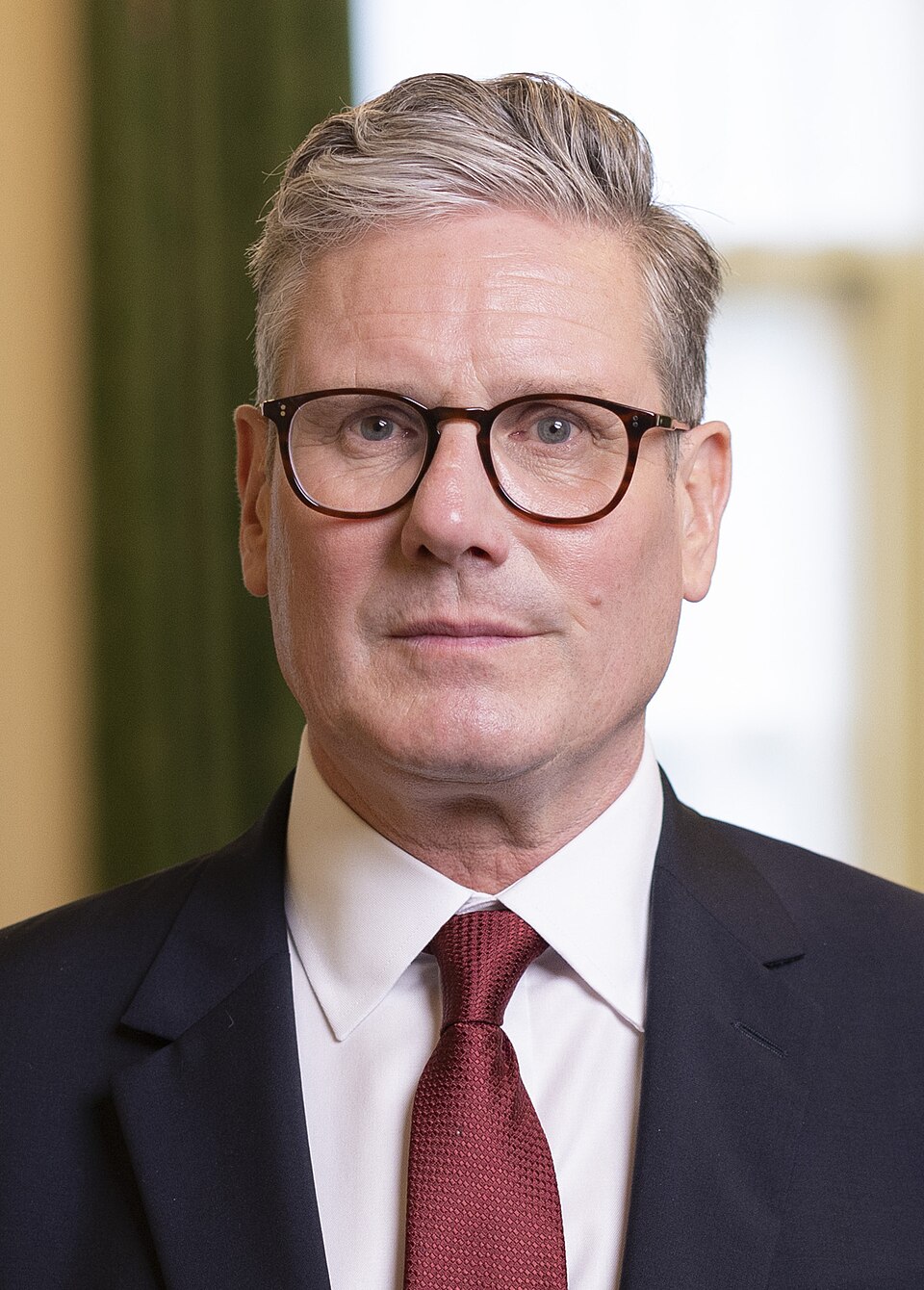
British Prime Minister Keir Starmer announced his resignation on June 21, 2026, after nearly two years in office marked by policy U-turns, plummeting poll ratings and the defection of key ministers. Labour's support has collapsed from 34% to 18%, and the party suffered a historic fourth-place finish in May's local elections. Manchester Mayor Andy Burnham is widely expected to succeed Starmer as Labour leader and Prime Minister.
PoliticsBritish Prime Minister Keir Starmer stepped out of 10 Downing Street on the morning of June 21, 2026, visibly emotional as he read his resignation statement. In one of the most personal moments of his nearly two-year premiership, a tenure frequently criticised for its lack of warmth and charisma, he spoke of looking forward to being "a better husband to my wonderful wife Victoria and a better father to my remarkable children."
Rise and Rapid Decline
Starmer took over the Labour Party in 2020 after it had suffered its worst general election result in 90 years, winning just 202 parliamentary seats. He rebuilt the party methodically, and on July 5, 2024, Labour won a landslide victory, securing 390 of 650 seats in Parliament. The scale of the mandate raised hopes that Starmer could finally steer Britain beyond the turbulence of Brexit, which 14 years of Conservative rule had both engineered and failed to resolve.
His government did deliver some tangible achievements. A substantial package of labour law reforms expanded workers' rights to leave and sick pay, curtailed zero-hours contracts and restricted so-called "fire and rehire" practices. On immigration, tighter border controls and increased deportations helped reduce net migration by 20% in 2026 compared to the previous year, while small boat crossings of the English Channel fell 40% in the first half of 2026, down to 11,000 people. In foreign policy, Starmer secured a trade deal with Washington that cut US tariffs on British cars from 27.5% to 10% and eliminated duties on aerospace products, and signed a separate UK-India trade agreement projected to add £25.5 billion in bilateral trade.
Policy U-Turns and Internal Revolt
Yet for every step forward, there appeared to be a stumble. In 2024, the government's decision to means-test the winter fuel payment, stripping the subsidy from roughly 10 million pensioners, triggered a backbench rebellion within Labour itself, with 53 MPs abstaining. The policy was ultimately reversed for pensioners earning under £35,000 per year. A similar pattern repeated in 2025 when proposed cuts to disability benefits faced opposition from more than 120 Labour MPs, forcing the government to shelve the reforms. A proposed 20% inheritance tax on agricultural land worth over £1 million sparked protests from farmers, some arriving in London on tractors, before the threshold was quietly raised to £2.5 million in December 2025.
Relations with Washington, once a feather in Starmer's cap, also soured. When Britain refused to back US-Israeli airstrikes on Iran in the spring of 2026, Donald Trump dismissed Starmer as "no Winston Churchill" and complained that the UK had failed to respond when called upon. A separate scandal involving Peter Mandelson, appointed US ambassador in January 2025, then fired in February 2026 after his ties to Jeffrey Epstein became public, deepened the sense of a government lurching from crisis to crisis. Mandelson had reportedly failed a standard Foreign Office vetting process, and an exception had been made at the urging of chief of staff Morgan McSweeney, who subsequently resigned.
Poll Collapse and Ministerial Departures
The cumulative effect on public opinion was devastating. According to Politico, Labour's voting intention fell from 34% to 23% within a year of taking office, and now stands at just 18%. YouGov data shows Starmer's own approval rating has moved from net positive in his early months to an 18% favourable / 74% unfavourable split today. The May 2026 local elections crystallised the collapse: Labour lost 1,496 council seats, lost control of 38 councils, and, for the first time in the history of local elections, finished fourth, behind the Conservatives, the Liberal Democrats and the far-right Reform UK.
The resignations of Health Secretary Wes Streeting on May 14 and Defence Secretary John Healey on June 11, both citing loss of confidence in Starmer's leadership, made his position untenable. Streeting declared the cabinet lacked a "vision for the future." These followed the earlier departure of Deputy Prime Minister Angela Rayner in September 2025, though her exit was triggered by a personal tax scandal rather than political disagreement.
Burnham Poised to Take Over
Andy Burnham, the 46-year-old Mayor of Greater Manchester since 2017, is almost universally regarded as Starmer's successor. Known for his social policy initiatives, tackling poverty, expanding subsidised transport, and his willingness to criticise Labour's perceived disconnect from ordinary voters, Burnham won a parliamentary by-election in the Manchester constituency of Makerfield on June 19, making him eligible to stand for the party leadership. The BBC has reported that "all signs point to Burnham becoming Prime Minister within weeks."
A leadership election is expected in mid-July. Starmer will remain as caretaker Prime Minister until a new leader is chosen. Burnham's policy platform remains largely undefined, though political scientist Anand Menon believes he supports rejoining the European Union, a position shared by the majority of Labour members, though Burnham has avoided making an explicit commitment for fear of alienating Leave voters.
Britain will enter that leadership contest as one of Europe's most politically volatile democracies. Six prime ministers in ten years, a two-party system giving way to four-party competition, and Reform UK now leading national polls at 25%, ahead of both Labour and the Conservatives at 18% each, paint a picture that The Economist, which in 2022 coined the term "Britaly" for Britain's Italian-style instability, might now consider an understatement.
Open in app →