Kenya's President Sparks Controversy With English Language Jab at Nigeria
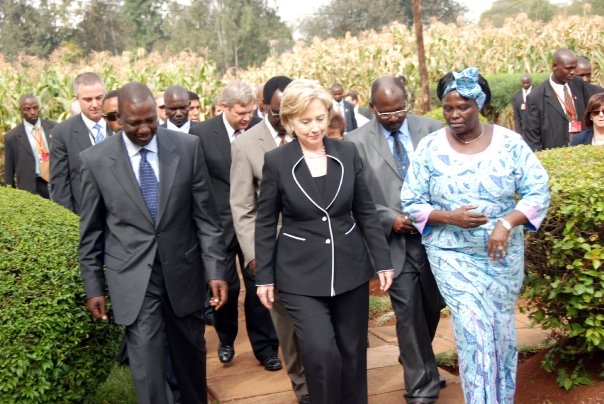
Kenyan President William Ruto has ignited a diplomatic row by claiming Kenyans speak superior English compared to Nigerians, saying Nigerian English is difficult to understand. The comments have drawn widespread criticism and accusations of regional arrogance from observers across East and West Africa.
OpinionKenyan President William Ruto has triggered significant backlash after making disparaging remarks about Nigerian English during a public statement. Ruto declared that Kenyans speak "some of the best English in the world" while simultaneously suggesting that Nigerian English is challenging to comprehend. The comments have provoked sharp reactions from Nigerian commentators, political figures, and social media users who view the remarks as disrespectful toward Africa's most populous nation.
The controversy highlights underlying tensions between East and West African nations and raises questions about regional pride and linguistic diversity across the continent. Nigeria, with its 200 million population, has long been a cultural and economic powerhouse in Africa, while Kenya holds similar significance in East Africa. Such public statements by a sitting president risk damaging diplomatic relations and fueling nationalist sentiment in both countries.
Critics argue that Ruto's comments reflect a broader pattern of regional leaders making inflammatory statements that undermine continental unity. English, inherited from colonial history, exists in multiple varieties across Africa, each reflecting unique cultural and linguistic contexts. The assertion that one nation's version is superior to another's has been widely rejected as both linguistically inaccurate and diplomatically tone-deaf.
The incident comes amid complex economic and political dynamics between Kenya and Nigeria, two of Africa's largest economies. Such rhetoric threatens to overshadow genuine cooperation between the nations and could have broader implications for East-West African relations. Government officials in Nigeria have indicated they intend to address the matter, though formal diplomatic responses remain pending.
Open in app →