Labour's London Challenge Reveals Britain's Political Divide
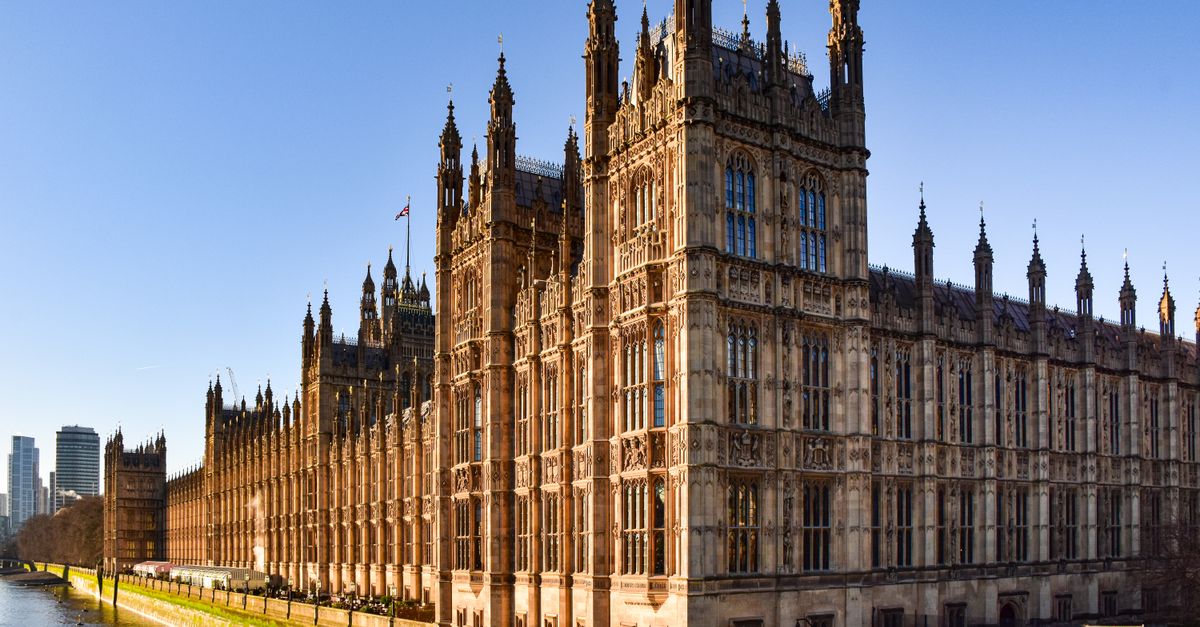
Labour Party's performance in London exposes deeper fractures in modern British politics, highlighting the party's struggle to balance competing electoral interests. The capital city serves as a microcosm of broader tensions within the party about its future strategic direction and voter coalition.
OpinionLondon has become a critical battleground that reveals the fundamental dilemmas facing Britain's Labour Party as it navigates an increasingly fragmented political landscape. The party's electoral performance in the capital offers crucial insights into the internal contradictions the party must resolve to maintain its competitive position across the country.
The squeeze on Labour in London stems from multiple directions simultaneously. On one side, the party faces pressure from more progressive constituencies demanding stronger action on issues like climate change, social justice, and immigration. On the other side, traditional working-class voters in other regions feel the party has drifted away from their economic concerns and cultural priorities. This dual pressure creates a strategic bind: policies designed to appeal to one constituency alienate the other.
The London case study demonstrates how geography now defines British politics more sharply than traditional class-based divisions. London's younger, more diverse, and more educated population provides fertile ground for Labour's progressive messaging, yet the party must also win back voters in post-industrial towns and rural areas with significantly different priorities. These divergent constituencies want different things from Labour, making it nearly impossible to craft a unified platform.
This fragmentation reflects broader changes in British society. The traditional working-class Labour coalition has splintered, with some voters moving toward different parties entirely. Meanwhile, urban professionals and younger voters are becoming increasingly important to Labour's electoral calculus. London's results thus serve as a warning: the party cannot simply consolidate support in its strongholds without addressing the concerns of voters it has lost elsewhere.
Finding resolution to this dilemma will determine Labour's ability to build a durable electoral majority. The party must reconcile its historic identity with contemporary voter expectations across dramatically different communities, a challenge that London's current political dynamics starkly illustrate.
Open in app →